
Military Gifts Symbolism: Complete Guide for UK Audience
More than 100 years after the Princess Mary Gift Fund first reached British troops, military gifts still hold a deep meaning that goes far beyond their practical use. These tokens play a vital role in showing honour, gratitude, and shared identity within armed forces. Understanding the true symbolism behind these objects helps reveal why such traditions matter profoundly to british military culture and strengthens the bonds between service members and their communities.
Table of Contents
- What Symbolism Means In Military Gifts
- Historic British Military Gift Traditions
- Common Symbolic Gift Types And Their Meaning
- Protocols And Symbolic Etiquette For Gifting
- Practical Symbolism Considerations Today
Key Takeaways
| Point | Details |
|---|---|
| Symbolism in Military Gifts | Military gifts hold deep emotional and historical significance, representing national gratitude and solidarity with troops. |
| British Military Gift Traditions | These traditions reflect the nation’s appreciation and respect for service members, fostering emotional connections between military personnel and civilians. |
| Key Gift Types | Common symbolic gifts include regimental items and commemorative medals, each conveying pride and recognition of individual and collective service. |
| Protocols for Gifting | Military gift-giving involves following established protocols that honour rank, service history, and maintain the integrity of military traditions. |
What Symbolism Means In Military Gifts
Military gifts symbolise far more than mere objects of exchange. They represent profound traditions of honour, respect, and shared experiences within military communities. These carefully selected items carry deep emotional and historical significance that transcends their physical form.
Historically, military gifts have been powerful tokens of appreciation and connection. During the First World War, the Imperial War Museum highlights an extraordinary example with the Princess Mary Gift Fund box, distributed during Christmas 1914. This gift was not simply a package of tobacco and chocolate, but a potent symbol of national gratitude and solidarity with troops serving at the front lines. Such gifts communicated a message far beyond their contents: they represented the entire nation’s support and emotional connection to its military personnel.
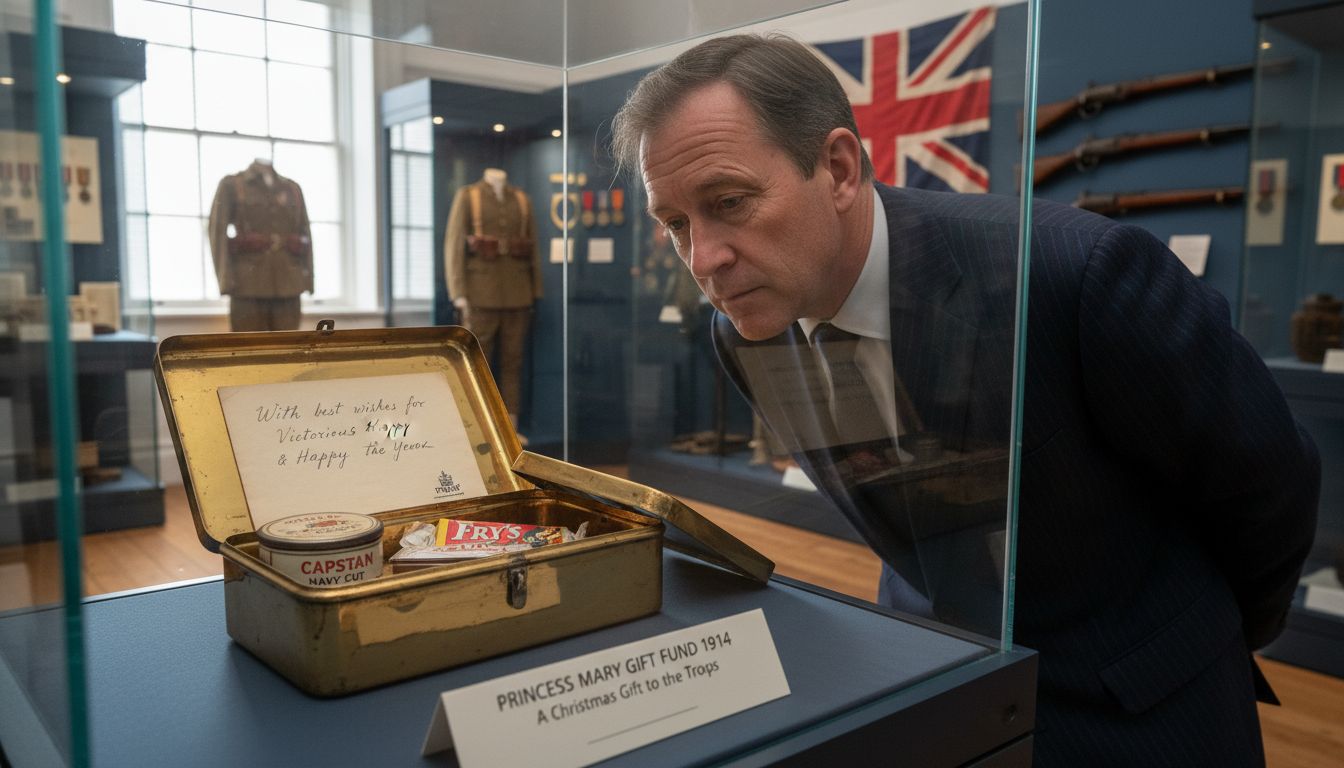
Symbolism in military gifts typically manifests through several key dimensions:
- Regimental Pride: Gifts that showcase specific unit crests, mottos, or colours
- Commemorative Significance: Items marking significant military achievements or milestones
- Personal Recognition: Awards and mementoes acknowledging individual bravery or service
- Cultural Heritage: Gifts that reflect military traditions and historical connections
These symbolic gifts serve multiple psychological functions. They validate service, reinforce team identity, and create tangible links between individual soldiers and their broader military heritage. By carefully selecting and presenting such gifts, military organisations communicate respect, honour individual contributions, and strengthen collective esprit de corps.
Explore our complete guide on military gift traditions to understand the deeper meaning behind these cherished tokens of military camaraderie.
Historic British Military Gift Traditions
British military gift traditions represent a rich tapestry of national appreciation, respect, and camaraderie that extends far beyond simple material exchange. These traditions have profound roots in recognising and honouring military service, creating powerful emotional connections between the nation and its armed forces.
During World War I, one of the most remarkable examples of military gift-giving emerged. According to the Imperial War Museum, Princess Mary initiated a groundbreaking fund in 1914 to provide Christmas gifts to all members of the British armed forces. These brass boxes, distributed to troops, contained carefully selected items like tobacco and chocolate, symbolising more than mere provisions. They represented national solidarity, a tangible expression of gratitude that boosted morale during extraordinarily challenging times.
These gift traditions have continued through subsequent generations, evolving yet maintaining their core purpose. In 2012, Government UK documented another poignant example during Queen Elizabeth II’s Diamond Jubilee, when Fortnum and Mason presented ‘United Services Tins’ filled with tea and biscuits to active service personnel. Such gestures underscore the enduring British commitment to recognising military service.
Key characteristics of historic British military gift traditions include:
- Emotional Connection: Gifts that bridge the gap between military personnel and civilian society
- Morale Boosting: Carefully chosen items designed to provide comfort and psychological support
- Recognition of Service: Tangible tokens that acknowledge individual and collective sacrifices
- Cultural Continuity: Maintaining traditions that connect past and present military generations
Discover more about UK military gift traditions and explore the deep cultural significance behind these cherished exchanges.
Common Symbolic Gift Types And Their Meaning
Symbolic military gifts represent a profound language of honour, respect, and shared experience within the armed forces. These carefully selected items transcend mere material value, communicating complex narratives of service, sacrifice, and institutional pride through their design, composition, and presentation.
Historically, military gifts have served multiple symbolic functions. Wikipedia highlights the Princess Mary Christmas gift box from World War I as an exemplary instance, where items like tobacco, chocolate, and a personal photograph were meticulously curated to boost troop morale. Such gifts were never simply provisions, but powerful emotional connections linking soldiers with their homeland.
The most common symbolic gift types in military traditions include:
- Regimental Crested Items: Plaques, tankards, or presentation boxes displaying unit insignia
- Commemorative Medals: Recognising specific campaigns, service periods, or individual achievements
- Ceremonial Weaponry: Ornamental weapons symbolising historical military prowess
- Personalised Timepieces: Watches or clocks marking significant career milestones
- Regimental Memorabilia: Unique items representing specific military units or historical moments
Each gift type carries nuanced meaning beyond its physical form.
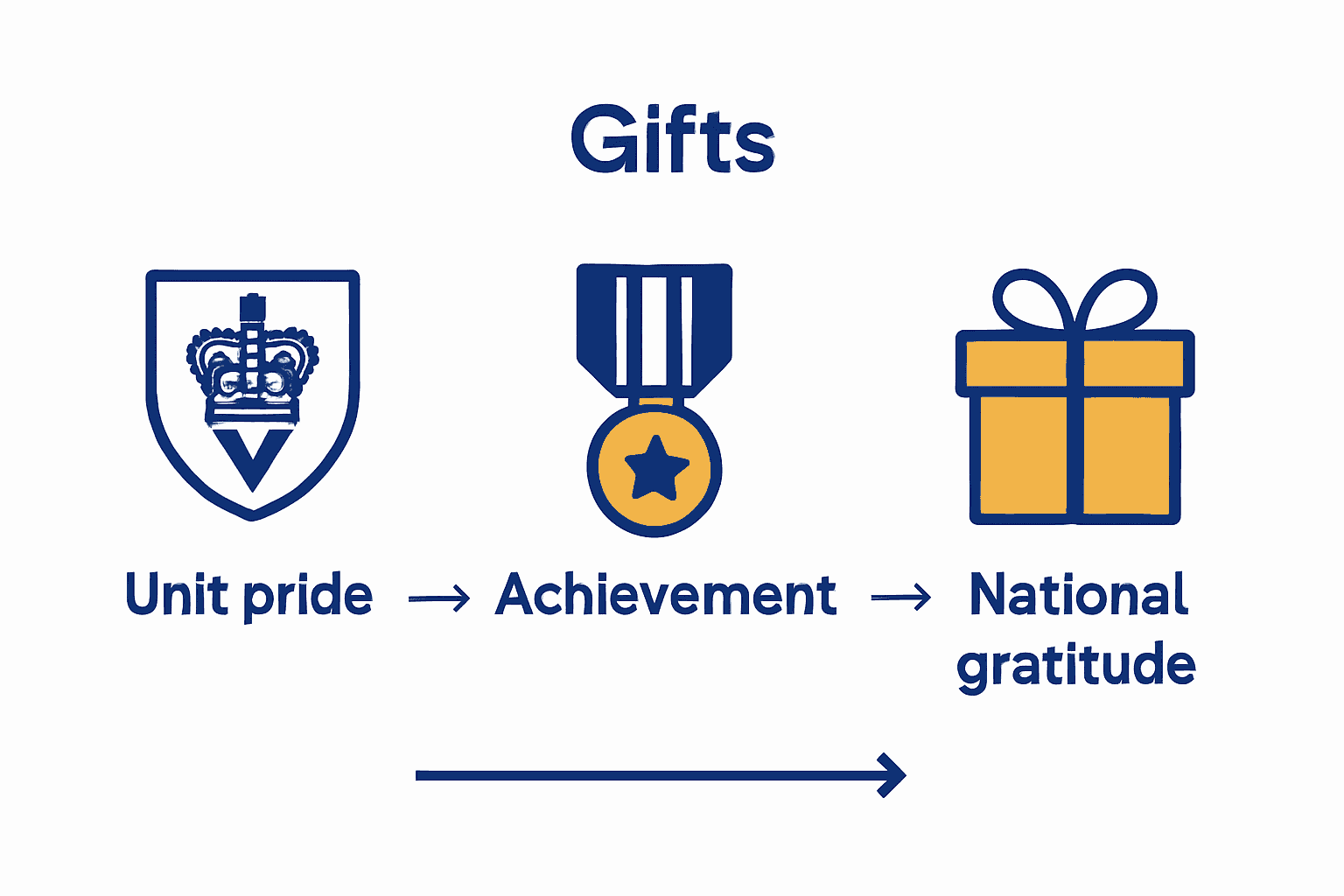 Regimental crested items communicate institutional pride, while commemorative medals represent collective and individual valour. These symbolic exchanges reinforce military identity, acknowledge personal contributions, and maintain deep-rooted traditions of mutual respect.
Explore our comprehensive guide on military presentation gifts to understand the intricate symbolism behind these cherished military traditions.
Protocols And Symbolic Etiquette For Gifting
Military gift-giving is a delicate art steeped in tradition, respect, and profound institutional protocols that extend far beyond simple material exchange. These carefully choreographed interactions represent intricate social dynamics within military hierarchies, where each gift carries layers of meaning and symbolic significance.
Ceremonial traditions provide a framework for understanding these complex exchanges. Wikipedia highlights the 21-gun salute as a prime example of ceremonial recognition, which symbolises profound respect for military achievements and royal protocols. Similar to this salute, military gifts are not casual offerings but meticulously planned gestures that communicate hierarchy, achievement, and institutional values.
Key protocols for military gift-giving include:
- Rank Appropriate Gifts: Selecting items that reflect the recipient’s rank and service history
- Formal Presentation: Conducting gift exchanges with prescribed ceremonial procedures
- Regimental Considerations: Ensuring gifts align with specific unit traditions
- Historical Significance: Choosing items that honour military heritage
- Personal Achievement Recognition: Matching gifts to individual service milestones
The symbolic etiquette surrounding these gifts demands profound understanding. A gift is never merely an object, but a carefully constructed communication of respect, acknowledging personal sacrifice and collective service. Senior officers must exercise particular discretion, ensuring gifts reinforce institutional values without appearing perfunctory or insincere.
Learn more about UK military gift etiquette to fully appreciate the nuanced protocols governing these meaningful exchanges.
Practical Symbolism Considerations Today
Modern military gift symbolism navigates a complex landscape where tradition meets contemporary sensibilities, balancing historical reverence with practical contemporary considerations. The fundamental principles of respect, recognition, and institutional pride remain constant, but the expressions have evolved to reflect changing military cultures and societal expectations.
In recent years, national institutions have continued to honour military service through thoughtful gestures. Government UK documented a remarkable example during Queen Elizabeth II’s Diamond Jubilee, where Fortnum and Mason presented ‘United Services Tins’ to active service personnel. Such contemporary commemorative gifts demonstrate that symbolic recognition remains a powerful tool for maintaining connection between military personnel and the broader national community.
Practical symbolism in modern military gifting now encompasses several nuanced considerations:
- Cultural Sensitivity: Ensuring gifts respect diverse backgrounds within military units
- Personal Relevance: Selecting items that genuinely resonate with individual experiences
- Emotional Intelligence: Recognising psychological impact beyond material value
- Technological Integration: Incorporating modern design and personalisation techniques
- Inclusivity: Creating gift traditions that acknowledge all service members equitably
Today’s military gifts must strike a delicate balance between honouring traditional protocols and addressing contemporary expectations. They serve not just as tokens of appreciation, but as meaningful bridges connecting individual service experiences with broader institutional narratives of courage, sacrifice, and collective identity.
Explore our comprehensive guide on modern military gift practices to understand how these symbolic exchanges continue to evolve.
Honour Tradition with Meaningful Military Gifts
Understanding the deep symbolism behind military gifts reveals the challenge many face: how to choose items that truly reflect respect, regimental pride, and personal recognition. This guide highlights the importance of selecting gifts that connect not just as tokens but as lasting symbols of service and sacrifice. Whether commemorating individual bravery or celebrating unit heritage, choosing the right presentation gifts can strengthen bonds and boost morale.
Discover a curated selection tailored for the British Army, Royal Navy and Royal Signals that balances historical tradition with personalised significance. From regimental crested items to commemorative keepsakes, our collection helps you honour achievements with gifts imbued with genuine meaning.
Explore Gifts and Personalised Presentation for Veteran and serving UK Army or browse the Royal Navy Shop for gifts and presentation Royal Marines & Submariners alongside the The Royal Signals Shop for Gifts and Bespoke Personalised Presentation Awards today.
Choose meaningful military gifts now at The Regimental Store and demonstrate your appreciation with presentations that speak volumes about heritage and honour. Act today to secure timeless symbols that resonate with every serving member or veteran.
Frequently Asked Questions
What is the significance of military gifts?
Military gifts symbolise honour, respect, and shared experiences within military communities, representing emotional and historical connections that transcend their physical form.
How have military gift traditions evolved over time?
Military gift traditions have evolved from historical examples, like the Princess Mary Gift Fund during World War I, to contemporary gestures that still recognise and appreciate military service while adapting to modern contexts.
What are common types of symbolic military gifts?
Common types of symbolic military gifts include regimental crested items, commemorative medals, ceremonial weaponry, personalised timepieces, and regimental memorabilia, each carrying deep meaning related to military heritage and identity.
What protocols should be observed when giving military gifts?
Key protocols for military gift-giving include selecting rank-appropriate gifts, conducting formal presentations, aligning gifts with regimental traditions, and recognising personal achievements, ensuring that each gift conveys respect and honour.
Recommended
- Military Gifts: Everything You Need to Know – The Regimental Store Ltd
- Military Presentation Gifts: Complete UK Guide – The Regimental Store Ltd
- Military Gifts Eligibility: Complete Guide for the UK – The Regimental Store Ltd
- British Army Gift Traditions: Complete Guide UK – The Regimental Store Ltd