
Complete Guide to the Role of Gifts in the Military
Did you know that the tradition of gifting in the military stretches back centuries, yet only a small circle understands its true meaning today? Military gifts are powerful tokens, often carrying more emotional and cultural significance than the item itself. Whether marking a career milestone or strengthening the bond among units, these gestures become lasting memories that echo long after the ceremony ends.
Table of Contents
- Defining Gifts in the Military Context
- Traditional Gift Types and Occasions
- Protocols and Etiquette for Military Gifting
- Regulations and Legal Restrictions on Gifts
- Risks, Misconceptions, and Compliance Issues
Key Takeaways
| Point | Details |
|---|---|
| Cultural Significance | Military gifts serve as profound symbols of respect, recognition, and camaraderie among service members, emphasizing their emotional and cultural weight. |
| Types and Occasions | Gifts in the military context include retirement gifts, promotion commemoratives, and unit memorabilia, each reflecting significant milestones and accomplishments. |
| Etiquette and Protocols | Gift-giving in the military follows specific etiquette, including considerations for appropriateness, value limitations, and cultural sensitivity to maintain professional integrity. |
| Compliance and Risks | Navigating the complexities of military gift-giving involves understanding legal restrictions and potential compliance issues to ensure ethical exchanges that uphold institutional trust. |
Defining Gifts in the Military Context
In the intricate world of military traditions, gifts represent far more than simple material exchanges. They are profound symbols of respect, recognition, and camaraderie that transcend ordinary social interactions. Military gifts carry deep cultural significance, serving as tangible expressions of honour, appreciation, and shared experiences among service members.
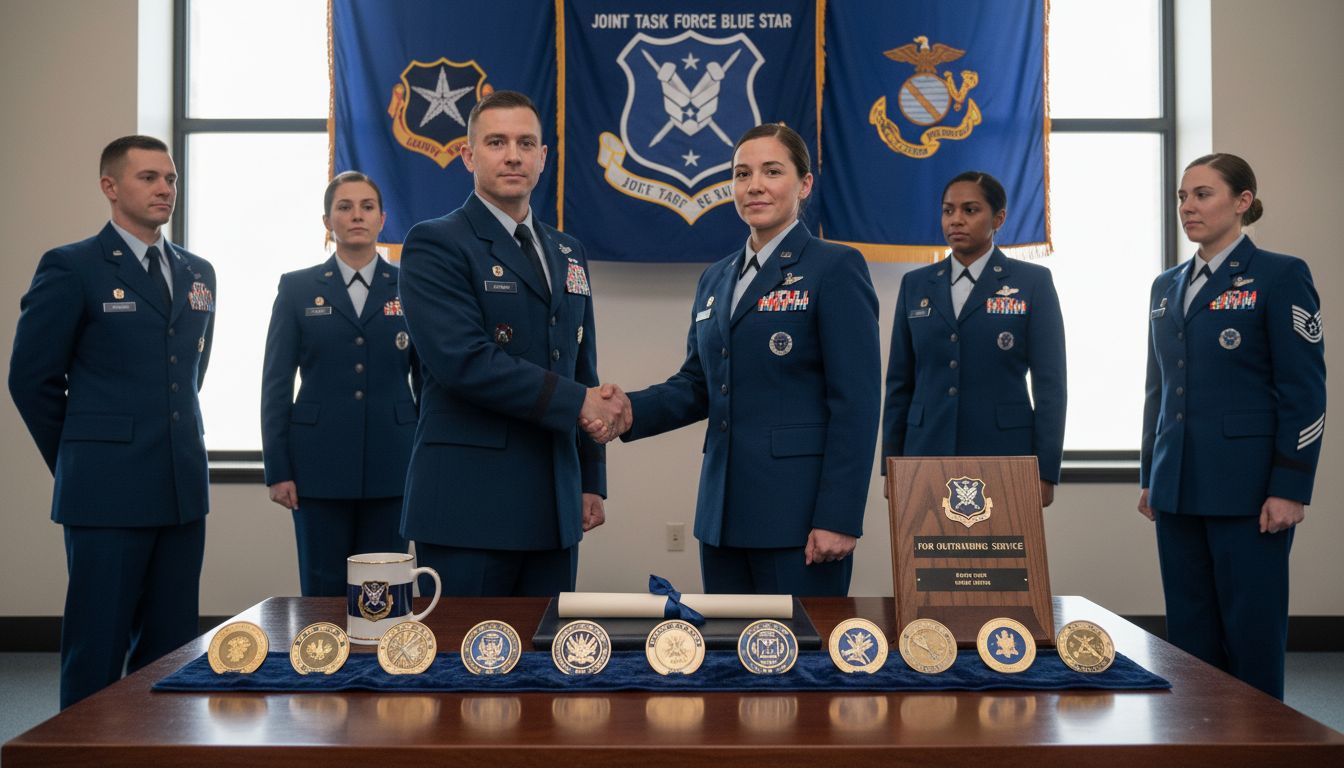
Military gifts typically fall into several distinct categories. Ceremonial gifts often mark significant milestones like promotions, retirements, or distinguished service achievements. These might include commemorative plaques, regimental mementoes, or personalised items that celebrate an individual’s contributions. Wikipedia highlights how even ceremonial gestures like the 21-gun salute represent a form of honourable recognition, demonstrating how military traditions fundamentally revolve around symbolic acknowledgement.
Beyond individual recognition, military gifts also play crucial roles in diplomatic and interpersonal relationships. Regimental gifts can strengthen unit cohesion, commemorate shared missions, or represent institutional pride. These might include unit challenge coins, historically significant artefacts, or custom-designed memorabilia that encapsulate a regiment’s unique identity and heritage.
Understanding the nuanced role of gifts requires recognising their emotional and cultural weight. For military personnel, these items are not mere objects but living narratives that connect individuals to broader institutional memories and shared experiences. For deeper insights into the specific protocols and significance of military gifts, Military Gifts: Everything You Need to Know provides a comprehensive exploration of this rich tradition.
Traditional Gift Types and Occasions
In the rich tapestry of military traditions, gift-giving is a nuanced art form that reflects deep institutional values and personal connections. Commemorative gifts serve as powerful symbols of recognition, honour, and shared experiences within military communities, marking significant milestones and celebrating individual and collective achievements.
Ceremonial occasions provide unique opportunities for meaningful gift exchanges. Wikipedia highlights how traditional events like Trooping the Colour demonstrate the profound symbolic significance of military ceremonies. During such events, gifts often represent more than mere objects - they embody regimental pride, historical continuity, and institutional memory.
Military gift types can be broadly categorised into several meaningful classifications:
Here’s a summary of traditional military gift types and their typical occasions:
| Gift Type | Typical Occasion | Example Items |
|---|---|---|
| Retirement Gifts | End of service | Engraved plaques Personalised mementoes |
| Promotion Commemoratives | Career advancement | Custom insignia Decorative certificates |
| Deployment Remembrances | Mission completion | Coins Tokens Special badges |
| Unit Memorabilia | Regimental pride | Challenge coins Unit plaques Regimental mugs |
| Heroism Awards | Acts of bravery/distinguished service | Medals Trophies Certificates of valour |
- Retirement Gifts: Personalised mementoes recognising years of dedicated service
- Promotion Commemoratives: Items marking career advancement and professional achievements
- Deployment Remembrances: Specially crafted tokens celebrating successful missions
- Unit Memorabilia: Challenge coins, plaques, and insignia representing collective identity
- Heroism Awards: Special recognition items for exceptional bravery and distinguished service
These traditions extend beyond simple material exchanges, representing a complex language of respect and camaraderie. For those interested in exploring the intricate world of military gift-giving protocols, Best Gift Shops for Unique Souvenirs: Your Ultimate Guide offers comprehensive insights into selecting meaningful military gifts that truly honour service and sacrifice.
Protocols and Etiquette for Military Gifting
Military gift-giving is governed by a complex set of unwritten rules and time-honoured traditions that extend far beyond simple social exchanges. Hierarchical respect plays a crucial role in determining appropriate gift selection, with careful consideration given to rank, service branch, and individual accomplishments.
The fundamental principles of military gift etiquette centre on several key considerations:
- Appropriateness: Gifts must never appear to compromise professional integrity
- Value Limitations: Strict protocols prevent gifts that could be perceived as bribery
- Cultural Sensitivity: Recognising individual and unit cultural nuances
- Symbolic Significance: Emphasising meaning over material worth
- Institutional Guidelines: Adhering to specific regimental and service regulations
Special occasions demand particular attention to gifting protocols. Retirement ceremonies, promotions, and mission completions require gifts that symbolise collective appreciation while maintaining professional boundaries. The exchange must reflect genuine respect and camaraderie without crossing institutional lines.
For service members seeking guidance on navigating these intricate gifting landscapes, Essential Guide to British Army Gifts for Every Occasion provides comprehensive insights into selecting meaningful and appropriate military gifts that honour service traditions while respecting institutional protocols.
Regulations and Legal Restrictions on Gifts
Military gift-giving operates within a stringent framework of legal and ethical guidelines designed to maintain professional integrity and prevent potential conflicts of interest. Regulatory compliance is paramount, with precise rules governing the types, values, and circumstances of acceptable gifts across different service branches and ranks.
Wikipedia demonstrates how even ceremonial traditions like the 21-gun salute are governed by specific regulations, reflecting the military’s commitment to structured and principled practices. Similarly, gift exchanges are subject to similarly meticulous oversight.
Key legal restrictions on military gifts include:
- Value Limitations: Strict caps on gift monetary worth
- Source Restrictions: Prohibitions on gifts from contractors or external parties
- Conflict of Interest Prevention: Rules preventing gifts that could compromise professional judgment
- Reporting Requirements: Mandatory disclosure of certain gift receipts
- Rank-Based Protocols: Different rules for junior and senior personnel
These regulations serve multiple purposes - protecting individual service members, maintaining organisational integrity, and preventing potential ethical breaches.
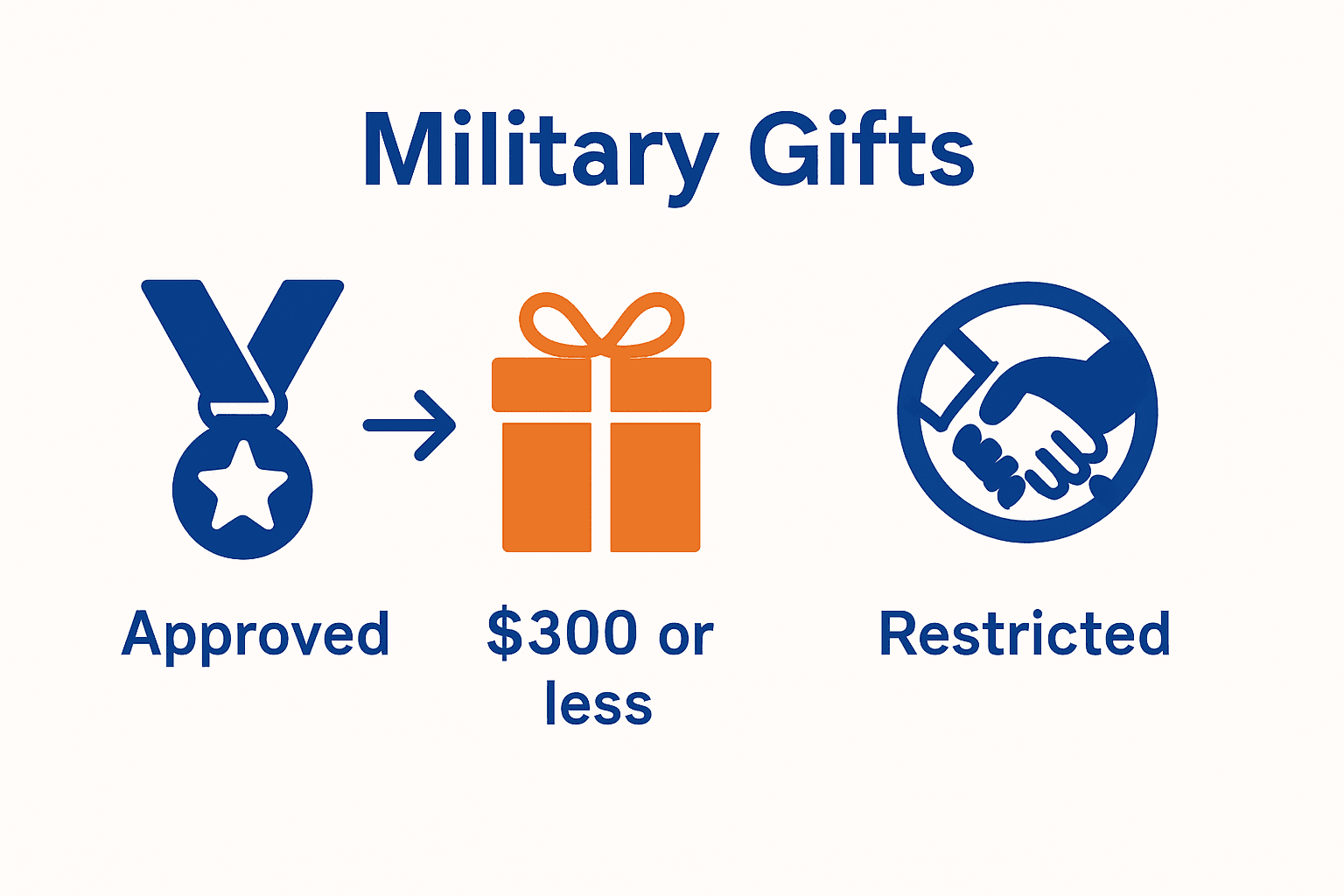 Service members must navigate these complex guidelines carefully, ensuring that gift exchanges remain transparent, respectful, and within prescribed legal boundaries. For those seeking comprehensive guidance on navigating these intricate protocols, Military Gifts Eligibility: Complete Guide for the UK offers authoritative insights into the nuanced world of military gift regulations.
Risks, Misconceptions, and Compliance Issues
Navigating the complex landscape of military gift-giving requires a nuanced understanding of potential risks and common misconceptions. Compliance pitfalls can emerge unexpectedly, transforming well-intentioned gestures into potential ethical breaches that could compromise professional standing and institutional trust.
Wikipedia illustrates how even ceremonial traditions demand precise adherence to protocols, and similarly, military gift exchanges require meticulous attention to avoid unintended consequences. Misunderstandings can quickly escalate from innocent mistakes to serious compliance violations.
Common risks and misconceptions in military gift-giving include:
- Perceived Impropriety: Gifts that might suggest undue influence
- Unintentional Bias: Exchanges that could compromise professional objectivity
- Financial Misrepresentation: Gifts that exceed authorized value thresholds
- Cross-Rank Complications: Inappropriate gift exchanges between different hierarchical levels
- External Influence Risks: Potential manipulation through strategic gift-giving
Service members must remain vigilant, understanding that seemingly innocuous gift exchanges can carry significant professional and legal implications. Comprehensive training, clear communication, and a robust understanding of institutional guidelines are essential in mitigating these risks. For those seeking deeper insights into navigating these complex terrains, 7 Top Military Gift Ideas for British Forces Members provides valuable guidance on maintaining ethical standards in military gift protocols.
Find the Perfect Military Gift That Truly Resonates
The “Complete Guide to the Role of Gifts in the Military” highlights the delicate balance of respect, tradition, and protocol that surrounds military gift-giving. Whether you are seeking to honour a promotion, recognise heroism, or mark a retirement, choosing a gift that respects these values can feel overwhelming. It is essential to select something meaningful that reflects the recipient’s service and upholds the strict regulations mentioned in the guide.
Explore our curated collection of Featured Gift Ideas designed specifically for British Army, Royal Navy, and RAF personnel. For Navy members, our specialised Royal Navy Shop offers unique presentation products that capture camaraderie and pride. Begin your journey towards the perfect tribute by visiting The Regimental Store now and find gifts that honour commitment while respecting military protocol. Acting today ensures your gesture carries the respect and significance it deserves.
Frequently Asked Questions
What is the significance of gift-giving in the military?
Military gifts symbolize respect, recognition, and camaraderie among service members, serving as tangible expressions of honour and appreciation.
What are the main types of military gifts?
Major types of military gifts include retirement gifts, promotion commemoratives, deployment remembrances, unit memorabilia, and heroism awards. Each serves a unique purpose in recognizing achievements and milestones.
Are there specific protocols or etiquette to follow when giving military gifts?
Yes, military gift-giving involves protocols such as ensuring appropriateness, adhering to value limitations, cultural sensitivity, and following institutional guidelines to maintain professional integrity.
What are the legal restrictions on giving gifts within the military?
Legal restrictions include value limitations on gifts, source restrictions (e.g., gifts from contractors), conflict of interest prevention, reporting requirements, and rank-based protocols. These rules help maintain professional standards and ethical conduct.