
British Army Gift Traditions: Complete Guide UK
Every regiment in the British Army holds its own unique gift-giving customs, but these traditions share a powerful purpose. More than simple gestures, military gifts serve as lasting reminders of courage and camaraderie. The Princess Mary Christmas gift box reached over 2.5 million troops during World War I, proving how these rituals boost morale and forge deep bonds. Understanding these traditions unlocks the stories, etiquette, and significance behind each cherished army exchange.
Table of Contents
- British Army Gift Traditions Defined and Explained
- Popular Gift Types and Their Symbolism
- Etiquette and Protocols for Presentation
- Regimental Customs and Special Occasions
- Common Mistakes and Gift Restrictions
Key Takeaways
| Point | Details |
|---|---|
| Symbolic Importance | British Army gift-giving emphasizes the symbolic value of gifts, representing heritage, pride, and social bonds rather than monetary worth. |
| Strict Protocols | Military gift presentation adheres to strict protocols, avoiding personal gifts, cash, and consumables, ensuring respect for institutional integrity. |
| Historical Traditions | Key customs, such as Trooping the Colour and the Presentation of Colours, link contemporary service members to their historical military lineage. |
| Common Pitfalls | Missteps in gift-giving, like presenting trivial items or overlooking cultural sensitivities, can impact professional relationships and institutional respect. |
British Army Gift Traditions Defined and Explained
British military gift-giving represents a profound tradition deeply rooted in regimental culture, symbolising respect, camaraderie, and historical continuity. These traditions extend far beyond mere material exchanges, embodying a complex social ritual that strengthens bonds between service members and commemorates significant military milestones.
One remarkable historical example of military gifting dates back to World War I, with the Princess Mary Christmas gift box. In 1914, these brass tins were distributed to all members of the British armed forces, creating a powerful morale-boosting gesture that transcended typical gift-giving. These boxes contained items like tobacco, chocolate, and writing materials, demonstrating how gifts could provide emotional connection and comfort during challenging times.
Regimental ceremonies like the Presentation of Colours represent another profound gift tradition within the British Army. This ceremonial event involves presenting new regimental colours, symbolising a regiment’s history, honour, and collective identity. Such gifts are not merely physical objects but powerful representations of military heritage, passed down through generations of soldiers.
Key characteristics of British Army gift traditions include:
- Emphasising symbolic value over monetary worth
- Connecting current service members with military history
- Recognising individual and collective achievements
- Maintaining regimental pride and esprit de corps
Modern military gift practices continue to evolve, blending time-honoured traditions with contemporary appreciation methods. Whether commemorating service milestones, recognising exceptional performance, or maintaining regimental connections, these gifts remain a cornerstone of British military culture. Military Gifts: Everything You Need to Know provides deeper insights into the significance of these cherished traditions.
Popular Gift Types and Their Symbolism
British Army gift-giving encompasses a rich array of symbolic artifacts that represent far more than simple material exchanges. These gifts are intricate representations of military heritage, personal achievement, and regimental pride, each carefully selected to honour service and maintain deep-rooted traditions.
One of the most significant gift types in British military culture is the cap badge, which Wikipedia notes serves as a powerful symbol of regimental identity and heritage. Each regiment and corps has its unique cap badge, often presented as a meaningful gift that signifies affiliation and belonging. These meticulously crafted badges are not merely decorative items but tangible connections to a soldier’s military lineage.
Another fascinating tradition involves regimental mascots, which demonstrate the British Army’s unique approach to symbolism. For instance, the Royal Welsh regiment maintains a tradition dating back to 1775 involving Kashmir goats as regimental mascots. Such mascots are more than curiosities – they represent living symbols of regimental history and pride, often becoming cherished gifts and commemorative figures.
Popular British Army gift types include:
- Regimental cap badges
- Commemorative medals
- Engraved regimental glassware
- Historical unit photographs
- Personalised military insignia
These gifts transcend mere objects, embodying deep emotional and historical significance.
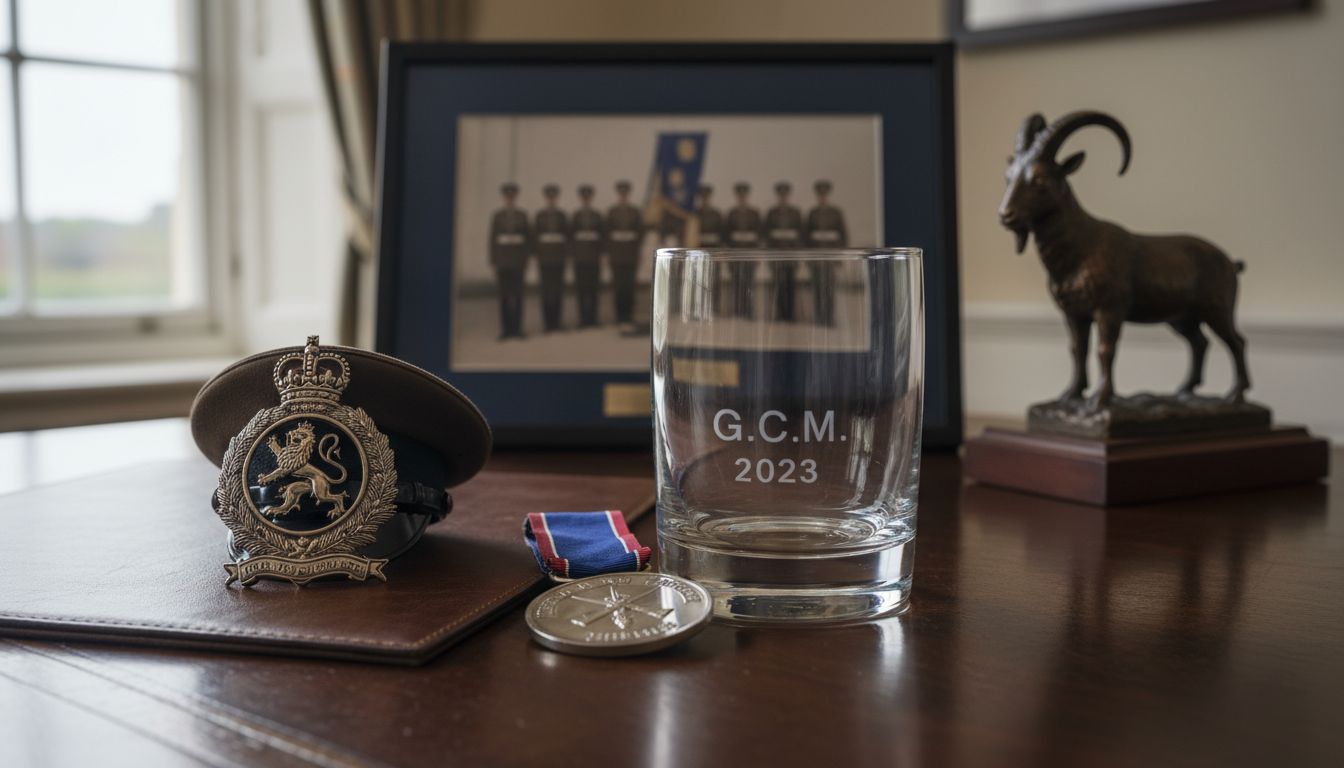 Complete Guide to the Role of Gifts in the Military offers further exploration into the nuanced world of military gifting traditions, revealing how each item tells a unique story of service, sacrifice, and camaraderie.
Etiquette and Protocols for Presentation
Gift presentation in the British Army is a nuanced art form governed by strict protocols and deep-rooted traditions. Far from being a casual exchange, military gift-giving involves intricate ceremonial practices that reflect honour, respect, and institutional values.
According to official government guidelines, UK government documentation emphasises that gifts must meticulously represent the Department of State. This means avoiding personal or private connotations, and strictly prohibiting gifts involving cash, gift vouchers, or consumable items. The focus remains on symbolic artifacts that embody institutional integrity and professional relationships.
Government protocols further specify that military gifts should be reciprocal interactions, particularly during operational deployments. These exchanges are designed to foster international goodwill, with a specific caveat that such gifts should not be extended to UK citizens, service personnel, or Crown servants. This nuanced approach underscores the diplomatic complexity inherent in military gift-giving.
Key etiquette considerations for military gift presentations include:
- Maintaining absolute institutional dignity
- Ensuring cultural sensitivity
- Reflecting regimental heritage
- Avoiding personal financial implications
- Preserving professional boundaries
The ceremonial aspects of gift presentation are as crucial as the gift itself.
Regimental Customs and Special Occasions
British Army regimental customs represent a profound tapestry of military heritage, weaving together centuries of tradition, honour, and collective identity. These deeply ingrained practices transcend mere ceremonial performances, serving as living connections between past and present service members.
One of the most iconic traditions is Trooping the Colour, an annual ceremonial event performed by the Household Division to celebrate the British sovereign’s official birthday. This spectacular display showcases the precision, discipline, and historical continuity that define British military culture. Regiments meticulously parade their colours, a symbolic act representing their historical achievements and unwavering commitment to the Crown.
Another remarkable tradition is the Ceremony of the Keys, an ancient ritual performed every evening at the Tower of London. This formal gate-locking ceremony exemplifies the military’s dedication to discipline, protocol, and historical preservation. Such customs are not mere historical reenactments but living traditions that connect contemporary soldiers with their rich ancestral legacy.
Significant regimental special occasions include:
- Regimental anniversaries
- Battle honour commemorations
- Sovereign’s birthday parade
- Retirement and promotion ceremonies
- Remembrance Day events
These customs go beyond formality, embodying the deep emotional bonds and shared values that define military service. Essential Guide to British Army Gifts for Every Occasion provides deeper insights into the meaningful traditions that continue to shape military culture and camaraderie.
Common Mistakes and Gift Restrictions
Navigating the intricate landscape of military gift-giving requires careful consideration and deep understanding of complex protocols. Missteps can unintentionally compromise professional relationships and institutional integrity, making awareness of potential pitfalls crucial for anyone engaging with British Army gift traditions.
Government documentation provides clear guidance on unsuitable gifts, explicitly prohibiting items such as cash, gift vouchers, electronic equipment, and consumable products. Moreover, these guidelines emphasise the critical importance of avoiding gifts that could be perceived as personally or politically offensive, underscoring the need for cultural sensitivity and professional discretion.
Official protocols further stipulate specific restrictions, particularly emphasising that gifts must not be presented to UK citizens, service personnel, or Crown servants. Humorous or novelty items are strictly discouraged, reflecting the serious and formal nature of military gift exchanges.
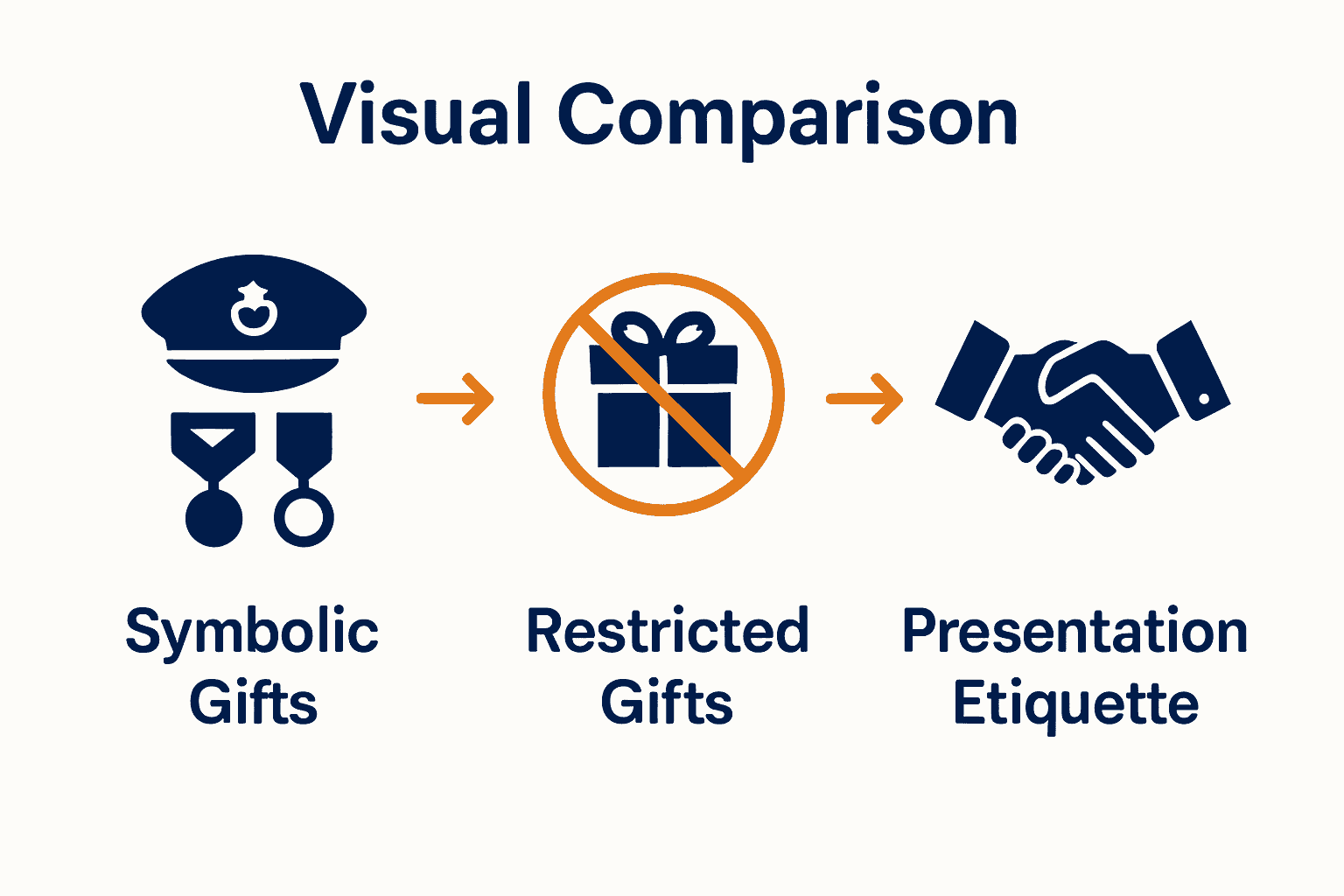
Common mistakes in military gift-giving include:
- Presenting inappropriate or trivial items
- Misunderstanding cultural sensitivities
- Failing to respect hierarchical protocols
- Overlooking regimental traditions
- Assuming casual gift-giving norms apply
Understanding these nuanced restrictions requires careful attention and respect for institutional traditions. Essential Guide to British Army Gifts for Every Occasion offers additional insights into navigating these complex gift-giving protocols with professionalism and cultural awareness.
Honour Tradition with Meaningful British Army Gifts
Understanding the rich customs and strict protocols behind British Army gift-giving helps you avoid common mistakes and deepen your respect for military heritage. Many find it challenging to select gifts that truly reflect regimental pride and comply with official etiquette while celebrating camaraderie and achievement. Whether you seek symbolic cap badges, personalised presentation pieces, or commemorative medals, choosing the right gift that honours service without compromising protocol is vital.
Explore our carefully curated collection at Gifts and Personalised Presentation for Veteran and serving UK Army where every item respects tradition and the values outlined in the complete guide.
Discover Featured Gift Ideas that resonate emotionally and maintain regimental dignity. Act now to secure a gift that embodies history, pride and professionalism. Visit The Regimental Store today and find the perfect way to honour service with a meaningful present.
Frequently Asked Questions
What are the key characteristics of British Army gift traditions?
Key characteristics of British Army gift traditions include emphasizing symbolic value over monetary worth, connecting current service members with military history, recognizing individual and collective achievements, and maintaining regimental pride and esprit de corps.
What types of gifts are commonly exchanged in the British Army?
Common gifts in the British Army include regimental cap badges, commemorative medals, engraved regimental glassware, historical unit photographs, and personalised military insignia, each representing emotional and historical significance.
What etiquette should be observed during military gift presentations?
Etiquette in military gift presentations involves maintaining institutional dignity, ensuring cultural sensitivity, reflecting regimental heritage, avoiding personal financial implications, and preserving professional boundaries.
What are common mistakes to avoid in military gift-giving?
Common mistakes include presenting inappropriate or trivial items, misunderstanding cultural sensitivities, failing to respect hierarchical protocols, overlooking regimental traditions, and assuming casual gift-giving norms apply.