
Cap Badges Explained: Meaning for UK Forces
Over 90 percent of British military personnel recognise their cap badge before they know their regimental number. In the British Armed Forces, these distinctive emblems are much more than small pieces of metal. They are powerful markers of identity, tradition, and personal pride. Whether you are serving, have retired, or are seeking a meaningful gift, understanding the story behind each cap badge lets you honour your regiment’s history and your connection to British service.
Table of Contents
- What Are Cap Badges and Their Purpose
- Types and Designs Across UK Forces
- Materials, Styles, and Historic Changes
- Symbolism, Traditions, and Identification
- Rules on Wearing, Display, and Gifting
- Common Pitfalls and How to Avoid Fakes
Key Takeaways
| Point | Details |
|---|---|
| Significance of Cap Badges | Cap badges symbolise military identity and heritage, communicating a soldier’s lineage and allegiance. |
| Design and Symbolism | Each cap badge features unique symbolism that reflects a regiment’s history and operational role. |
| Materials and Evolution | The manufacturing of cap badges has evolved, balancing traditional craftsmanship with modern techniques. |
| Authenticity and Counterfeits | It’s essential to verify the authenticity of cap badges to protect military heritage and personal investment. |
What Are Cap Badges and Their Purpose
Cap badges represent a profound symbol of military identity and heritage within the British Armed Forces. These distinctive metal insignia, worn prominently on military headwear, serve as more than mere decorative elements - they are intricate representations of a soldier’s regimental lineage and professional allegiance. Military badges have a deeply regulated historical significance that connects modern service personnel with centuries of proud tradition.
The primary purpose of cap badges extends far beyond simple identification. These carefully designed emblems communicate a soldier’s specific unit, regiment, or corps within the military hierarchy. Each badge tells a unique story - incorporating symbolic elements that might represent geographic origins, battle honours, royal connections, or significant historical moments that define the unit’s character. The intricate metalwork and heraldic design of these badges communicate a complex narrative of military service and institutional pride.
Historically, cap badges became systematically regulated from the mid-1700s, with military high command establishing strict protocols about their design and presentation. These regulations ensured that each badge maintained a standardised yet distinctive appearance, allowing for immediate visual recognition across different military units. The badges serve multiple functions: they act as a marker of professional identity, a symbol of belonging, and a tangible connection to a regiment’s historic achievements and cultural heritage.
Pro tip: When purchasing or examining a cap badge, look closely at its detailed elements - each symbol and design feature represents a profound piece of military history and regimental identity.
Types and Designs Across UK Forces
Each branch of the British Armed Forces features distinctive cap badge designs that reflect their unique heritage and operational roles. The intricate emblems across military branches showcase remarkable diversity in symbolism and historical representation, with every regiment and corps maintaining its own distinctive visual identity. These badges are not merely decorative elements but complex narratives of military tradition and institutional pride.
The British Army’s cap badges demonstrate extraordinary variety, with each regiment incorporating symbolic elements that communicate its specific history. Infantry regiments often feature heraldic animals, regimental crests, or battle honours that commemorate significant military achievements. The Household Cavalry, for instance, utilises royal arms and distinctive scarlet plumes, while other units might include geographic references or historical motifs that speak to their foundational experiences.
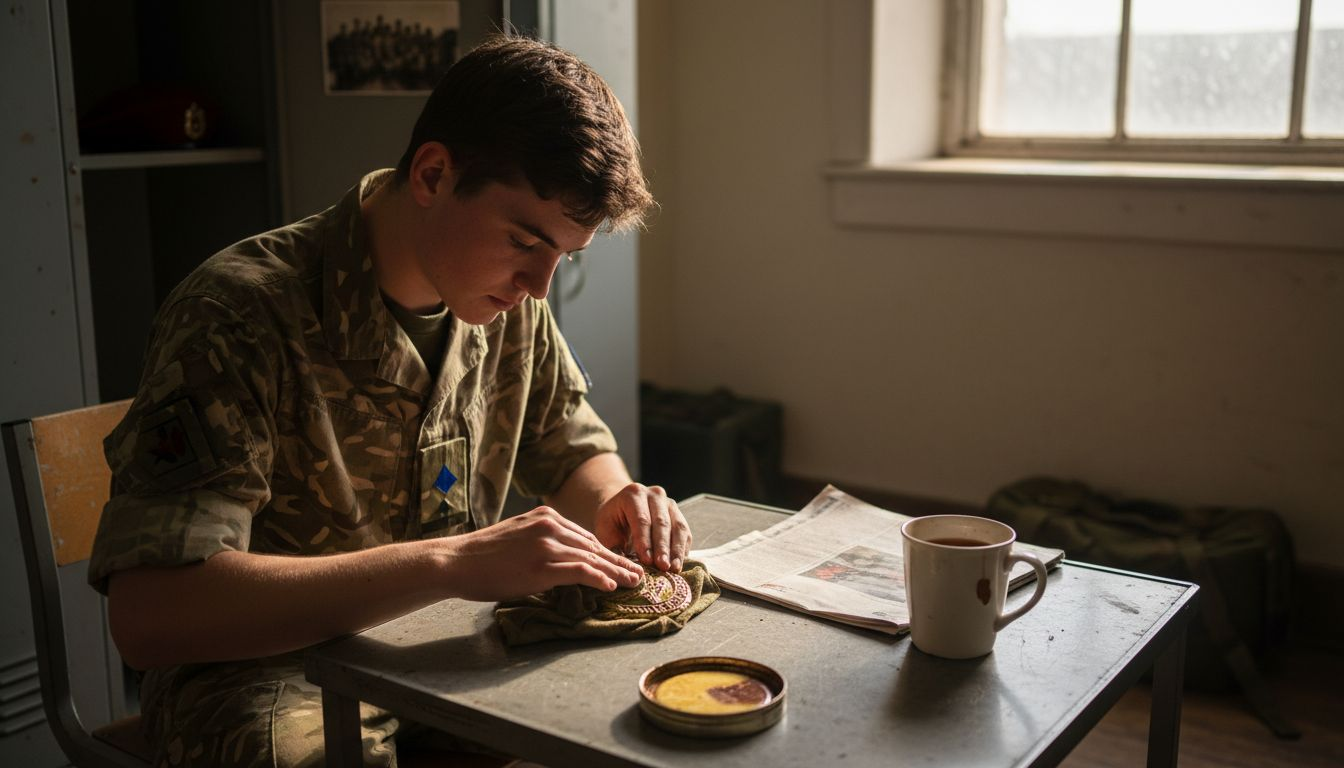
In contrast, the Royal Air Force cap badges present a different approach to design and symbolism. RAF badges incorporate sophisticated elements like the St Edward’s Crown and winged motifs, reflecting the service’s evolution over a century. These badges not only indicate a serviceperson’s branch but also communicate rank and specific roles within the organisation. The intricate metalwork and carefully chosen symbols represent a visual language that connects contemporary personnel with their service’s rich historical legacy.
Pro tip: When examining a military cap badge, look beyond its aesthetic - each element represents a complex story of regimental history, achievement, and professional identity.
Materials, Styles, and Historic Changes
The evolution of cap badges reflects a fascinating journey through technological innovation and military tradition. Military badge materials have undergone significant transformations throughout different historical periods, with manufacturing techniques and available resources dramatically influencing their design and construction. Initially crafted from traditional metals like brass, these emblems became sophisticated representations of military identity that adapted to changing economic and technological constraints.
During wartime periods, practical considerations dramatically reshaped cap badge production. Metals became scarce, leading to innovative alternatives such as Bakelite and other synthetic materials. This pragmatic approach demonstrated the British military’s remarkable ability to maintain symbolic traditions while responding to practical challenges. The Royal Electrical and Mechanical Engineers (REME), for instance, experienced notable redesigns that incorporated both metal and plastic elements, reflecting the broader technological shifts occurring across military manufacturing.
The aesthetic and symbolic significance of cap badges remained paramount, even as their physical composition changed. Heraldic elements, regimental histories, and royal connections continued to be meticulously represented, regardless of the manufacturing material. The badges evolved from purely decorative items to complex communication tools that could convey rank, unit identity, and historical lineage through increasingly sophisticated design techniques. Modern cap badges now blend traditional craftsmanship with contemporary manufacturing processes, creating emblems that honour historical legacy while meeting modern military standards.
Pro tip: When collecting or examining historical cap badges, pay close attention to the materials used - they often reveal fascinating stories about technological constraints and military adaptations during different historical periods.
Here’s how cap badge materials and styles have evolved in the British Armed Forces:
| Period | Typical Materials | Design Features | Impact on Production |
|---|---|---|---|
| 18th–19th Century | Brass, bronze | Heraldic motifs, regimental crests | Skilled metalwork required |
| World War II | Bakelite, plastics | Simplified, pragmatic details | Enabled mass production |
| Modern Era | Alloy metals, enamel | High-detail, mixed techniques | Balances heritage and tech |
Symbolism, Traditions, and Identification
Cap badges serve as powerful visual symbols that encapsulate the rich heritage and profound identity of British military units. These intricate emblems incorporate deeply meaningful symbolic elements, ranging from royal crowns and regimental mottos to historical battle references that connect modern soldiers directly to their unit’s illustrious past. Each badge becomes a complex narrative of pride, loyalty, and institutional memory, transcending mere decorative function to represent a soldier’s fundamental connection to their military lineage.
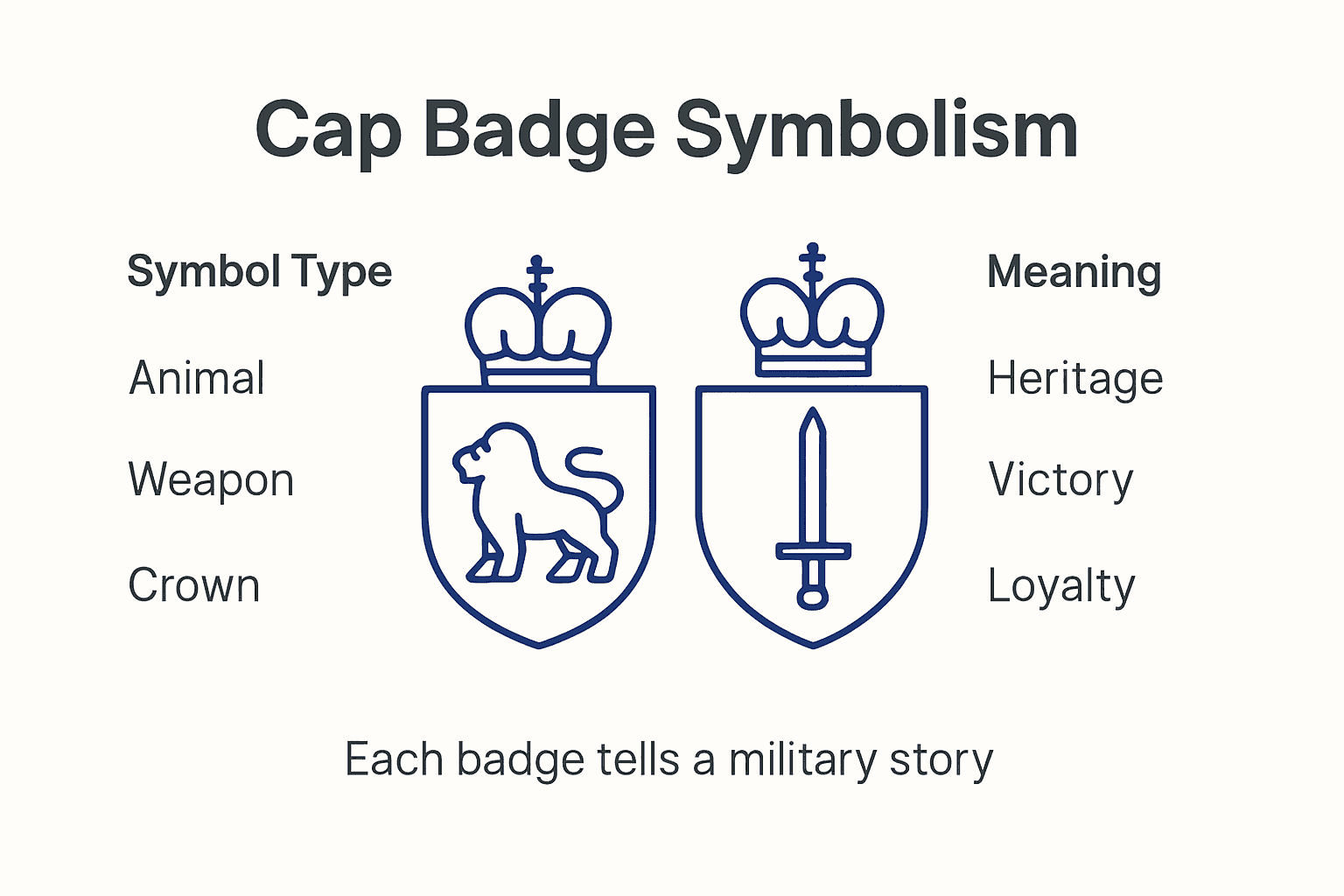
The symbolism within these badges extends far beyond simple identification. Heraldic animals, weaponry, and geographical references communicate complex stories of regimental achievements and cultural identity. Some units, like the King’s Gurkha Artillery, carefully design badges that merge traditional iconography with contemporary military purpose, showcasing how these emblems represent both historical continuity and ongoing military excellence. The khukuris of Gurkha units, field guns of artillery regiments, and distinctive animal symbols all serve as powerful visual language communicating unit heritage and collective identity.
Regimental badges operate as a sophisticated system of non-verbal communication within the British military. They instantly convey information about a soldier’s unit, rank, and historical connections, functioning as a form of visual shorthand that speaks to centuries of military tradition. The monarch’s official approval of these designs further underscores their significance, transforming each cap badge into an authoritative representation of military service and national pride. These emblems are not merely decorative items but living historical documents that connect individual soldiers to their broader institutional and national narrative.
Pro tip: When examining a military cap badge, look beyond its aesthetic - each element represents a complex story of regimental history, achievement, and professional identity.
Rules on Wearing, Display, and Gifting
Wearing military cap badges demands strict adherence to formal protocols and traditions that reflect the deep respect inherent in British military culture. Official guidelines from veterans’ organisations establish precise etiquette for displaying regimental insignia, ensuring that each badge represents not just personal achievement, but collective military heritage. These rules govern everything from precise placement on headwear to appropriate contexts for display during formal and informal gatherings.
The nuanced protocols surrounding cap badge presentation extend beyond simple visual representation. Different occasions demand specific approaches to wearing and displaying these emblems. Formal military parades require meticulous attention to detail, with badges positioned exactly according to regimental standards. Retired personnel and veterans have their own set of guidelines, which allow respectful representation of their service while maintaining the dignity of military traditions. Some badges are reserved exclusively for specific ceremonial events, underscoring their significance beyond mere decorative elements.
Gifting military cap badges is a practice steeped in deep symbolic meaning and requires careful consideration. These emblems are not casual mementos but powerful representations of military service, unit pride, and personal sacrifice. When presenting a cap badge as a gift, one must understand its historical context, ensure authenticity, and recognise the profound emotional significance it carries. Approved suppliers and veteran organisations play a crucial role in maintaining the integrity of these exchanges, ensuring that each badge represents genuine military heritage and respect.
Pro tip: Always verify the provenance and authenticity of a military cap badge before gifting or purchasing, as each emblem carries significant historical and personal significance.
Common Pitfalls and How to Avoid Fakes
Navigating the world of military cap badges requires keen discernment to distinguish authentic emblems from counterfeit replicas. Historical preservation sites like the Fovant Badges demonstrate the critical importance of maintaining genuine regimental insignia, highlighting the profound risks associated with fake or misrepresented military badges. Collectors and enthusiasts must develop sophisticated strategies to authenticate these historically significant items, protecting both their financial investment and the integrity of military heritage.
Several key indicators can help identify potentially fraudulent cap badges. Authentic badges will exhibit precise metalwork, consistent historical detailing, and accurate regimental markings. Collectors should scrutinise material quality, examining the metallic composition, casting techniques, and intricate design elements characteristic of specific historical periods. Reputable military memorabilia experts recommend comparing potential purchases against verified museum collections, original regimental archives, and authoritative reference materials to confirm authenticity.
The market for military cap badges is particularly vulnerable to sophisticated counterfeiting techniques. Modern reproduction technologies have made it increasingly challenging to distinguish genuine historical artifacts from well-crafted fakes. Serious collectors should develop relationships with trusted dealers, seek professional authentication services, and maintain comprehensive documentation for each acquisition. Understanding the specific manufacturing techniques, metallurgical characteristics, and historical context of different regimental badges becomes crucial in identifying potential forgeries and preserving the genuine historical narrative these emblems represent.
Pro tip: Always consult multiple expert sources and request detailed provenance documentation before purchasing any vintage military cap badge to ensure its historical authenticity and genuine value.
This table summarises common signs of authentic versus counterfeit military cap badges:
| Indicator | Authentic Badge | Counterfeit Badge |
|---|---|---|
| Material Quality | Heavy, aged metalwork | Lightweight, poor finish |
| Design Precision | Detailed, accurate historic symbols | Blurry, inconsistent motifs |
| Provenance Evidence | Documented regimental origins | Absent or questionable documentation |
| Collector Verification | Matches museum and archive references | Differs from trusted reference samples |
Preserve and Celebrate Military Heritage with Authentic Cap Badge Gifts
Understanding the deep symbolism and rich history behind Cap Badges highlights the importance of honouring military identity with genuine, meaningful presents. Whether you are seeking to recognise a serving soldier or commemorate a veteran’s proud regimental story, finding personalised gifts that reflect their unique journey alleviates the challenge of selecting something truly special. From intricately crafted emblems to bespoke presentation pieces, the right gift bridges tradition and personal recognition.
Explore a wide selection of Gifts and Personalised Presentation for Veteran and serving UK Army at The Regimental Store Ltd. Each item reflects careful respect for military insignia and history, helping you provide a powerful symbol of pride and connection. Don’t hesitate to honour valour and service today. Visit https://regimentalstore.co.uk to find the perfect tribute that captures enduring regimental heritage.
Frequently Asked Questions
What is the significance of cap badges in the UK Armed Forces?
Cap badges are symbols of military identity and heritage, representing a soldier’s regiment or corps while connecting modern personnel to centuries of military tradition and achievements.
How have cap badges evolved in terms of materials and design?
Cap badges have undergone significant changes, initially made from traditional metals like brass and evolving to include synthetic materials during wartime. Modern badges blend traditional craftsmanship with contemporary manufacturing techniques.
What do the symbols on cap badges represent?
The symbols on cap badges often include heraldic animals, geographic references, and royal connections, encapsulating the unit’s history, achievements, and cultural identity while fostering a sense of pride and belonging among soldiers.
Are there specific rules for wearing and gifting cap badges?
Yes, wearing cap badges involves formal protocols, with guidelines on placement and display according to military traditions. Gifting a cap badge carries symbolic significance, requiring an understanding of its historical context and authenticity.
Recommended
- Why Display Military Badges: Honouring Service in the UK – The Regimental Store Ltd
- Royal Air Force Badge: Meaning, Types and Heritage – The Regimental Store Ltd
- Types of Military Regalia in the UK Forces – The Regimental Store Ltd
- Blazer Badge Explained: Meaning, Types, and Traditions – The Regimental Store Ltd