
Army vs Navy Gifts – Why Distinction Matters
Most people overlook how military traditions can shape everything from daily routines to the gifts exchanged between branches. The British armed forces, with their rich heritage, take pride in honoring service through distinctive gift-giving traditions. Understanding the differences between Army and Navy gifts goes beyond simple preference, unlocking deeper layers of history and camaraderie. Discover how certain choices carry profound meaning and how over 80 percent of recipients say a personalized military gift strengthens their bond with their unit.
Table of Contents
- Army vs Navy Gifts Defined and Compared
- Distinct Styles and Traditions Explained
- Occasions and Etiquette for Giving Gifts
- Authenticity, Personalisation, and Sourcing
- Common Mistakes and Legal Considerations
Key Takeaways
| Point | Details |
|---|---|
| Cultural Significance | Military gifts embody deep traditions that honour service and sacrifice, reflecting unique cultures within the Army and Navy. |
| Gift Selection | Understanding the operational environments and identities of each branch is vital for selecting appropriate and meaningful gifts. |
| Occasions for Giving | Key occasions include promotions, retirements, and exceptional service, each requiring a nuanced understanding of etiquette and protocol. |
| Authenticity Matters | The authenticity of military gifts is crucial, necessitating careful sourcing and adherence to legal and ethical guidelines. |
Army vs Navy Gifts Defined and Compared
Military gift-giving carries profound traditions that honour service and sacrifice across different branches of the armed forces. Understanding the nuanced distinctions between Army and Navy gifts reveals deeper meanings beyond mere presentation. While both branches serve with remarkable dedication, their gift cultures reflect unique operational environments and team dynamics.
Historically, military gift traditions have deep roots in recognising collective achievement and individual contributions. Take, for instance, the remarkable Princess Mary Christmas gift box, a brass tin distributed to all British Empire armed forces members during World War I. Such gestures demonstrate how military gifts transcend simple material exchange, representing profound bonds of camaraderie and mutual respect.
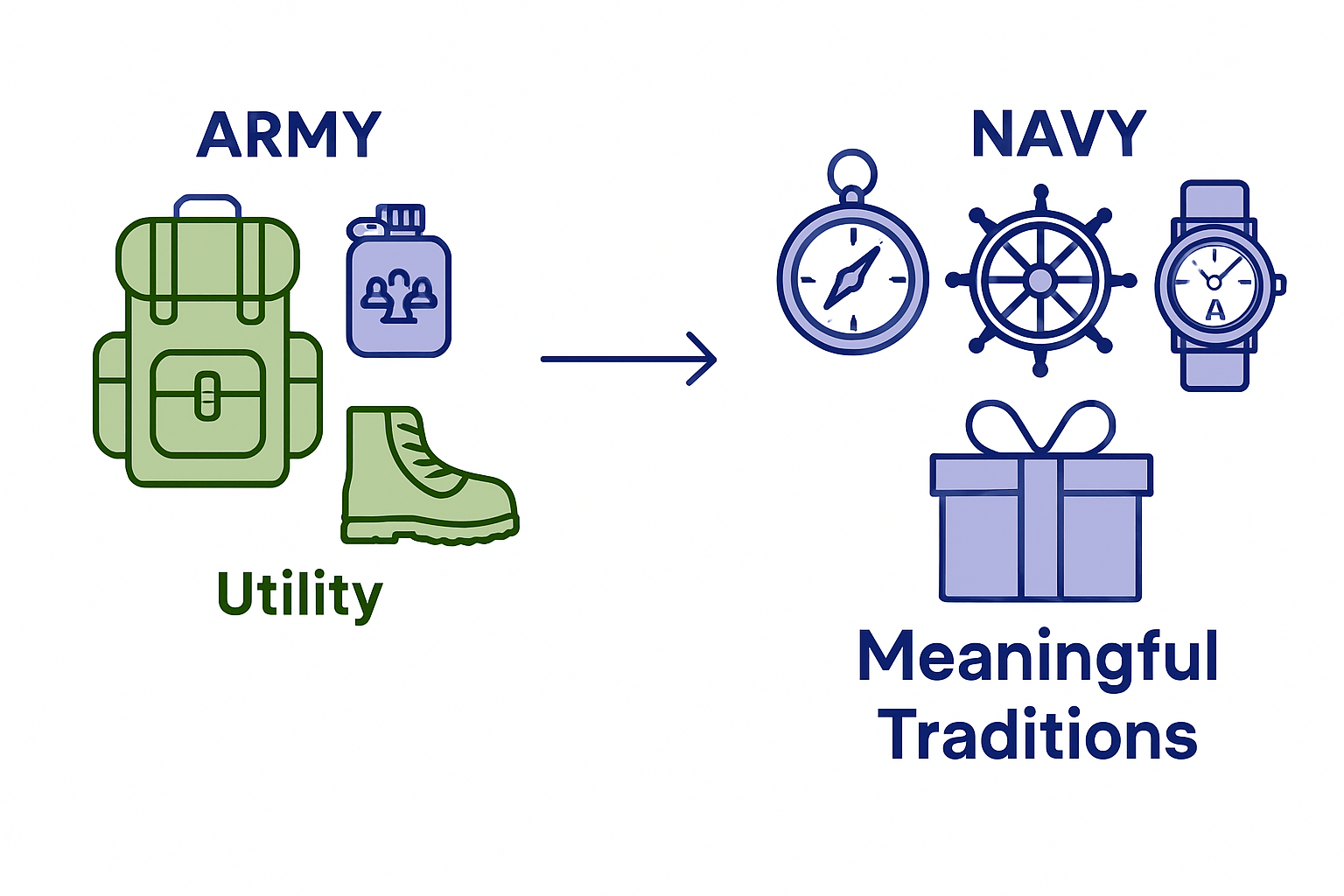
Key differences emerge when comparing Army and Navy gifts. Army presents often emphasise rugged utility and team solidarity, featuring items like personalised unit memorabilia, commemorative plaques, or robust outdoor equipment. Navy gifts, conversely, tend to incorporate maritime themes, highlighting nautical craftsmanship and seafaring heritage. These distinctions aren’t merely aesthetic but reflect the core identity and operational culture of each military branch. Whether marking a retirement, celebrating a promotion, or acknowledging exceptional service, the right gift communicates deep understanding of a service member’s unique professional journey.
Practical considerations further distinguish Army and Navy gift selection. Army gifts might include terrain-specific equipment, regimental cufflinks, or tactical accessories that resonate with ground operations. Navy gifts could feature nautical instruments, ship model replicas, or specialised maritime memorabilia. The key is selecting items that genuinely reflect the recipient’s specific military experience and branch identity.
Distinct Styles and Traditions Explained
The British military’s gift traditions reflect deep-rooted cultural nuances that distinguish each service branch, particularly between the Army and Navy. Understanding these distinctions goes far beyond superficial differences, revealing intricate layers of institutional identity and professional pride. These variations manifest in everything from ceremonial practices to the types of commemorative gifts that hold significant meaning.
Uniform traditions provide a fascinating lens into these differences. In naval contexts, full dress uniforms have historically been complex, with flag officers maintaining different versions for various occasions since the mid-18th century. The Royal Navy’s mess dress exemplifies this complexity, distinguishing between formal white tie and black tie equivalents, which underscores the service’s sophisticated ceremonial protocols.
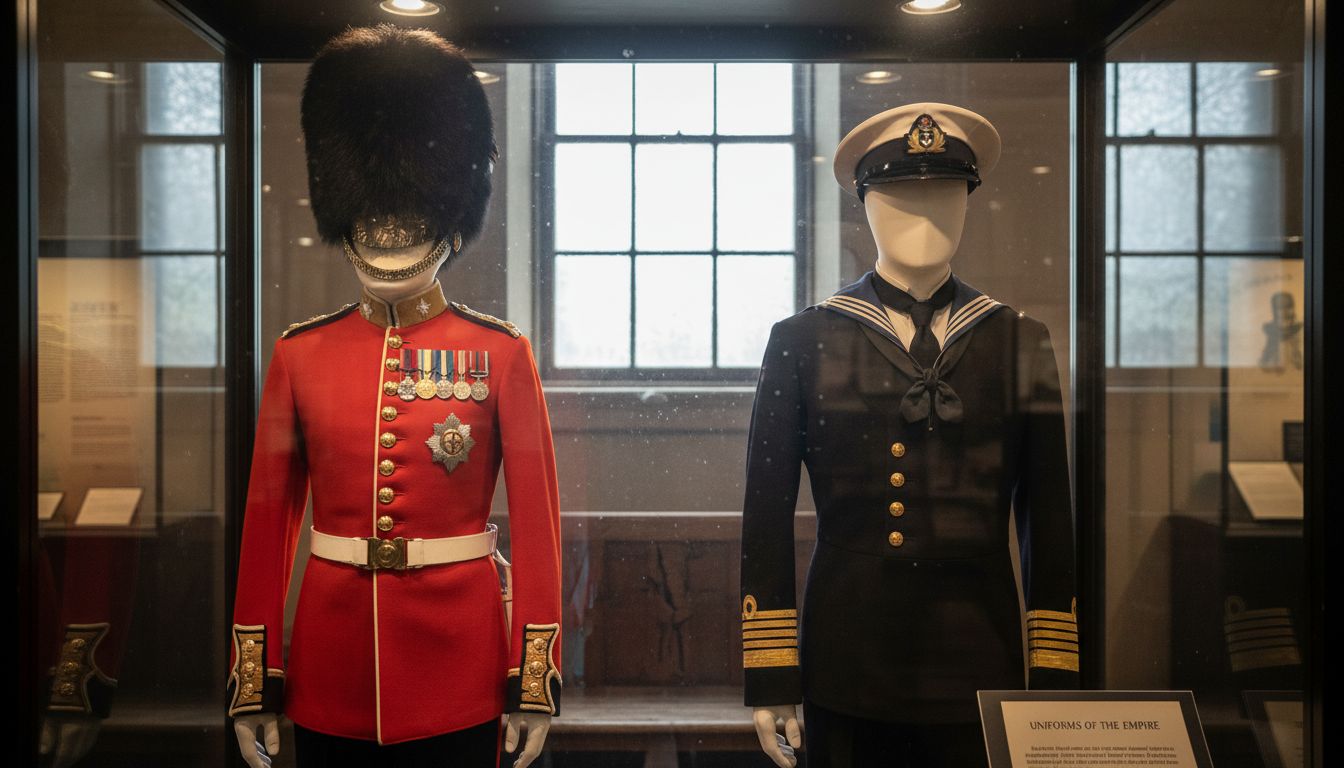
These stylistic traditions directly influence gift selection and presentation. Army gifts often emphasise rugged functionality and ground-force camaraderie, featuring items like tactical gear, unit challenge coins, or regimental memorabilia that reflect terrestrial military experiences. Navy gifts, by contrast, incorporate maritime symbolism and nautical craftsmanship. Nautical-themed presentation boxes, ship model replicas, and maritime navigation instruments represent more than mere objects - they embody seafaring heritage and professional pride.
Beyond material items, the cultural approach to gift-giving differs subtly between branches. Army traditions tend to focus on direct, mission-oriented recognition, while Navy traditions often incorporate more elaborate, ceremonial elements that reflect maritime traditions of precision and elegance. Whether marking a promotion, retirement, or exceptional service, the right gift communicates a profound understanding of a service member’s unique professional journey and institutional identity.
Occasions and Etiquette for Giving Gifts
Military gift-giving is a nuanced art that transcends simple material exchange, embodying deep traditions of respect, camaraderie, and institutional pride. Each occasion demands careful consideration of protocol, personal connection, and the unique cultural expectations of the Army and Navy branches. Understanding these subtle distinctions ensures gifts are not merely objects, but meaningful expressions of appreciation and recognition.
Historical precedents offer fascinating insights into military gift traditions. The Princess Mary Christmas gift box exemplifies this rich tradition, originally intended for “every sailor afloat and every soldier at the front” during Christmas 1914, demonstrating how gifts can unite service members across different branches and operational contexts. Modern military gift-giving continues this legacy of thoughtful, symbolic recognition.
Key occasions for military gifts include significant career milestones such as promotions, retirements, unit transfers, and exceptional service achievements. Army gift etiquette tends to emphasise practical, mission-oriented commemoration, while Navy traditions incorporate more ceremonial and nautical elements. Military gift etiquette requires understanding rank-specific protocols, unit traditions, and the delicate balance between personal sentiment and professional respect.
Practical considerations are paramount when selecting appropriate gifts. Army recipients might appreciate tactically-relevant items like personalised unit memorabilia or high-quality outdoor equipment. Navy personnel often value gifts that reflect maritime heritage, such as precision instruments, nautical art, or carefully curated maritime-themed presentations. The underlying principle remains consistent: a truly meaningful gift demonstrates genuine understanding of the recipient’s professional identity, personal achievements, and the unique culture of their military branch.
Authenticity, Personalisation, and Sourcing
Authenticity stands at the heart of meaningful military gifts, transforming ordinary objects into profound symbols of respect and recognition. Selecting the right gift requires deep understanding of military culture, regimental traditions, and the personal experiences of service members across different branches. The nuanced art of gift selection goes far beyond mere commercial transactions.
Personalisation represents a critical dimension of military gift-giving. Personalised military gifts for Veterans, serving members, and supporters of the British Army, Royal Navy, Royal Air Force, and Royal Marines demonstrate a commitment to individual stories and collective heritage. Each customised item becomes a testament to personal achievement, unit pride, and professional identity.
Sourcing authentic military gifts demands careful consideration of multiple factors. Reputable providers understand the intricate protocols and symbolic significance embedded in military memorabilia. Army-related gifts might incorporate regimental colours, unit crests, or commemorative emblems that carry deep historical meaning. Navy gifts often feature precision-crafted items reflecting maritime traditions, such as navigation instruments, ship models, or nautical-themed presentation pieces that honour seafaring heritage.
The most meaningful gifts transcend mass-produced merchandise. They require research, emotional intelligence, and a genuine appreciation for military service. Whether selecting a gift for a retirement ceremony, promotion celebration, or personal milestone, the key is to choose items that reflect individual journeys while respecting broader institutional traditions. An authentic gift speaks not just to the recipient, but to their entire service experience and professional community.
Common Mistakes and Legal Considerations
Navigating military gift-giving requires more than good intentions; it demands a sophisticated understanding of complex legal and ethical boundaries. Well-meaning individuals often stumble into potential pitfalls by overlooking crucial protocols, intellectual property restrictions, and institutional sensitivities that govern military memorabilia and gift exchanges.
One primary concern involves authenticity and legitimate representation. Officially licensed products that contribute directly to Ministry of Defence welfare funds represent a critical benchmark. Reputable providers ensure that 10% of each sale supports benevolence and welfare initiatives, transforming a simple gift into a meaningful contribution to military community support. Purchasers must exercise diligence in verifying the provenance and legitimacy of military-themed gifts to avoid potential legal complications.
Common mistakes include inappropriately reproducing military insignia, misrepresenting rank or achievements, and selecting gifts that might be perceived as disrespectful or trivialising military service. Army and Navy gift protocols differ significantly, with each branch maintaining distinct traditions regarding acceptable commemorative items. Potential errors range from using incorrect heraldic representations to inadvertently breaching copyright regulations surrounding military emblems and unit identifications.
Legal considerations extend beyond mere aesthetic concerns. Gifts must respect individual privacy, maintain professional boundaries, and adhere to strict institutional guidelines. Military personnel are subject to specific codes of conduct that influence gift reception and exchange. Understanding these nuanced regulations requires research, cultural sensitivity, and a genuine respect for military traditions. The most successful gifts demonstrate not just generosity, but a profound appreciation for the recipient’s professional journey and institutional heritage.
Discover the Perfect Army or Navy Gift That Truly Reflects Service and Tradition
Choosing the right gift for a British Army or Royal Navy service member can be challenging. Our article on “Army vs Navy Gifts – Why Distinction Matters” highlights key pain points such as the importance of authenticity, personalised commemorative items, and respecting distinct branch cultures. Whether you seek rugged, mission-oriented presents for the Army or elegant nautical-themed keepsakes for the Navy, understanding these subtleties ensures your gift honours professional pride and tradition.
Explore our dedicated collections to find meaningful gifts that capture those very differences. Browse personalised and authentic items crafted with care for the British Army or browse the refined selections in our Royal Navy Shop.
Do not delay in choosing a gift that truly embodies respect and understanding of your recipient’s unique military journey. Visit The Regimental Store today and give the gift that speaks volumes about commitment, heritage, and service.
Frequently Asked Questions
What are the key differences between Army and Navy gifts?
Army gifts focus on rugged functionality and team solidarity, often including tactical gear and commemorative items. Navy gifts incorporate maritime themes and craftsmanship, featuring nautical instruments and ship models that reflect seafaring heritage.
What occasions are most suitable for giving Army or Navy gifts?
Key occasions for gifting include promotions, retirements, unit transfers, and recognitions of exceptional service. Each branch has its own traditions regarding the formality and nature of gifts appropriate for these milestones.
How important is personalisation when selecting gifts for Army and Navy personnel?
Personalisation is crucial in military gift-giving, as it reflects the individual achievements and professional identities of the service members. Customised items become meaningful symbols of respect and recognition.
What common mistakes should be avoided when giving military gifts?
Common mistakes include using inappropriate military insignia, misrepresenting rank, or selecting items that may be disrespectful. It’s important to understand the unique traditions and protocols of each military branch to avoid potential pitfalls.
Recommended
- Why Do Armies Give Gifts? Complete Guide for 2025 – The Regimental Store Ltd
- Military Gifts: Everything You Need to Know – The Regimental Store Ltd
- Royal Navy Gifts Guide: Choose Perfect Navy Presents – The Regimental Store Ltd
- Why Armed Forces Exchange Gifts – Traditions and Meaning – The Regimental Store Ltd
- Factors to Consider When Buying a Varsity Jacket - Maker of Jacket