
Why Collect Military Memorabilia: Purpose, Pride & Preservation
Over one million British families treasure military memorabilia that carries deep emotional and historical meaning. These artefacts tell stories of bravery and sacrifice that shaped the nation’s identity. Whether it is a medal handed down through generations or a uniform carefully preserved, each item connects the present to moments of courage and resilience. Discover how military memorabilia is far more than a collection of objects, serving as powerful reminders of individual journeys and national history.
Table of Contents
- What Military Memorabilia Means
- Types Of Memorabilia Collected
- Historical And Emotional Significance
- Authenticity, Provenance And Value
- Legal And Ethical Responsibilities
- Preservation, Insurance And Display
Key Takeaways
| Point | Details |
|---|---|
| Significance of Military Memorabilia | Military memorabilia serves as a tangible connection to heritage, preserving stories of bravery and resilience across generations. |
| Types of Memorabilia | Collections include uniforms, medals, weapons, personal correspondence, and handcrafted items, each representing unique narratives. |
| Authenticity and Provenance | The value of memorabilia hinges on verifying authenticity and historical context, which enhances its educational significance. |
| Legal and Ethical Responsibilities | Collectors must navigate legal frameworks and ethical considerations to ensure respectful treatment and preservation of military artefacts. |
What Military Memorabilia Means
Military memorabilia represents far more than mere collectible objects. These artefacts are living historical records that capture the profound experiences, sacrifices, and stories of service personnel across generations. According to Collins Dictionary, militaria refers to items of military interest, including weapons, uniforms, medals, and other significant historical objects.
At its core, military memorabilia serves as a tangible connection to military heritage. These items tell complex stories of bravery, struggle, and human resilience. The Imperial War Museums understand this deeply, collecting objects that provide a direct link to war and conflict experiences. These artefacts are not simply historical trinkets but powerful narrative vessels that preserve individual and collective memories.
Collecting military memorabilia goes beyond personal interest. It represents a commitment to historical preservation, ensuring that the experiences of service personnel are not forgotten. These objects range from official military equipment to deeply personal items like letters, photographs, and individual medals. Each piece carries emotional weight, representing a moment in time, a personal journey, or a broader historical narrative that deserves remembrance and respect.
Understanding military memorabilia requires recognising its multifaceted significance. These are not just objects to be stored or displayed, but powerful historical documents that communicate stories of human courage, sacrifice, and resilience across different conflicts and generations.
Types Of Memorabilia Collected
Military memorabilia encompasses a remarkably diverse range of historical artefacts that capture the essence of military service and conflict. The Imperial War Museums highlight the breadth of these collections, which include official military equipment, personal belongings, and items directly connected to wartime experiences.
The primary categories of military memorabilia are comprehensive and deeply personal. These typically include:
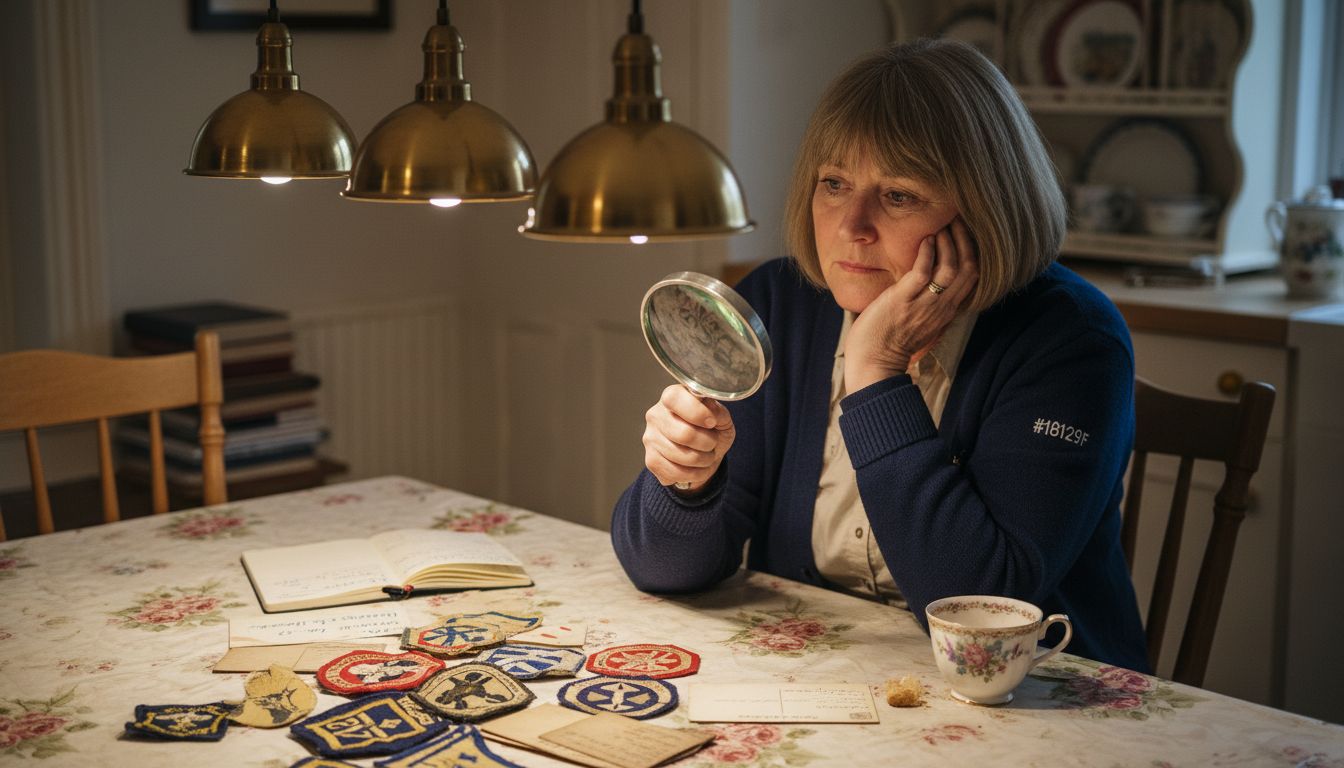
- Uniforms and Dress Items: Complete military attire, insignia, badges, and personalised clothing
- Medals and Decorations: Official military awards recognising service and bravery
- Weapons and Equipment: Firearms, communication devices, survival gear, and operational tools
- Personal Correspondence: Letters, diaries, photographs, and personal documents
- Trench Art: Handcrafted items created by soldiers during conflicts
Historical military souvenirs reveal fascinating stories beyond standard historical records. These objects range from official military equipment to deeply intimate items like handwritten letters or personally crafted trinkets made during challenging wartime conditions.
Each piece of military memorabilia represents a unique narrative, transforming seemingly ordinary objects into powerful historical testimonies. From a soldier’s worn helmet to a meticulously preserved medal, these artefacts provide tangible connections to individual experiences of courage, sacrifice, and resilience during extraordinary circumstances.
Historical And Emotional Significance
Military memorabilia transcends mere physical objects, serving as profound emotional conduits that bridge past experiences with present understanding. War trophies and historical souvenirs represent more than simple battlefield mementoes, embodying complex narratives of national pride, individual sacrifice, and collective historical memory.
The emotional weight of these artefacts cannot be overstated. Each item carries intricate layers of personal and collective experience, transforming seemingly ordinary objects into powerful historical testimonies. Preserving military memorabilia helps maintain crucial emotional connections to historical events, ensuring that individual stories of courage and resilience are not forgotten.
These objects communicate narratives that transcend written records. A worn uniform, a tarnished medal, or a faded photograph can reveal intimate human experiences that statistics and official documents cannot capture. They represent moments of extraordinary bravery, profound loss, personal triumph, and collective struggle, serving as tangible links between generations and their shared historical heritage.
Ultimately, military memorabilia function as emotional archives. They preserve not just historical facts, but the human spirit embedded within conflicts, reminding us that behind every military engagement are deeply personal stories of human courage, sacrifice, and resilience.
Authenticity, Provenance And Value
Military memorabilia collecting demands rigorous attention to authenticity and provenance, transforming these historical artefacts from mere objects into valuable historical documents. The verification of an item’s origin, historical context, and genuine connection to military service dramatically influences its historical and monetary worth.
Authenticity involves multiple critical assessment factors:
- Documentary Evidence: Includes original service records, unit documentation, and personal correspondence
- Physical Characteristics: Detailed examination of materials, manufacturing techniques, and period-specific design elements
- Historical Context: Verification of the specific conflict, unit, and individual associated with the item
- Expert Authentication: Professional evaluation by military historians and preservation specialists
Military memorabilia’s intrinsic value extends far beyond monetary considerations. Each authenticated piece represents a tangible link to historical narratives, offering insights into individual experiences during significant military events. Collectors and historians prize items with comprehensive documentation that can definitively trace their historical journey.
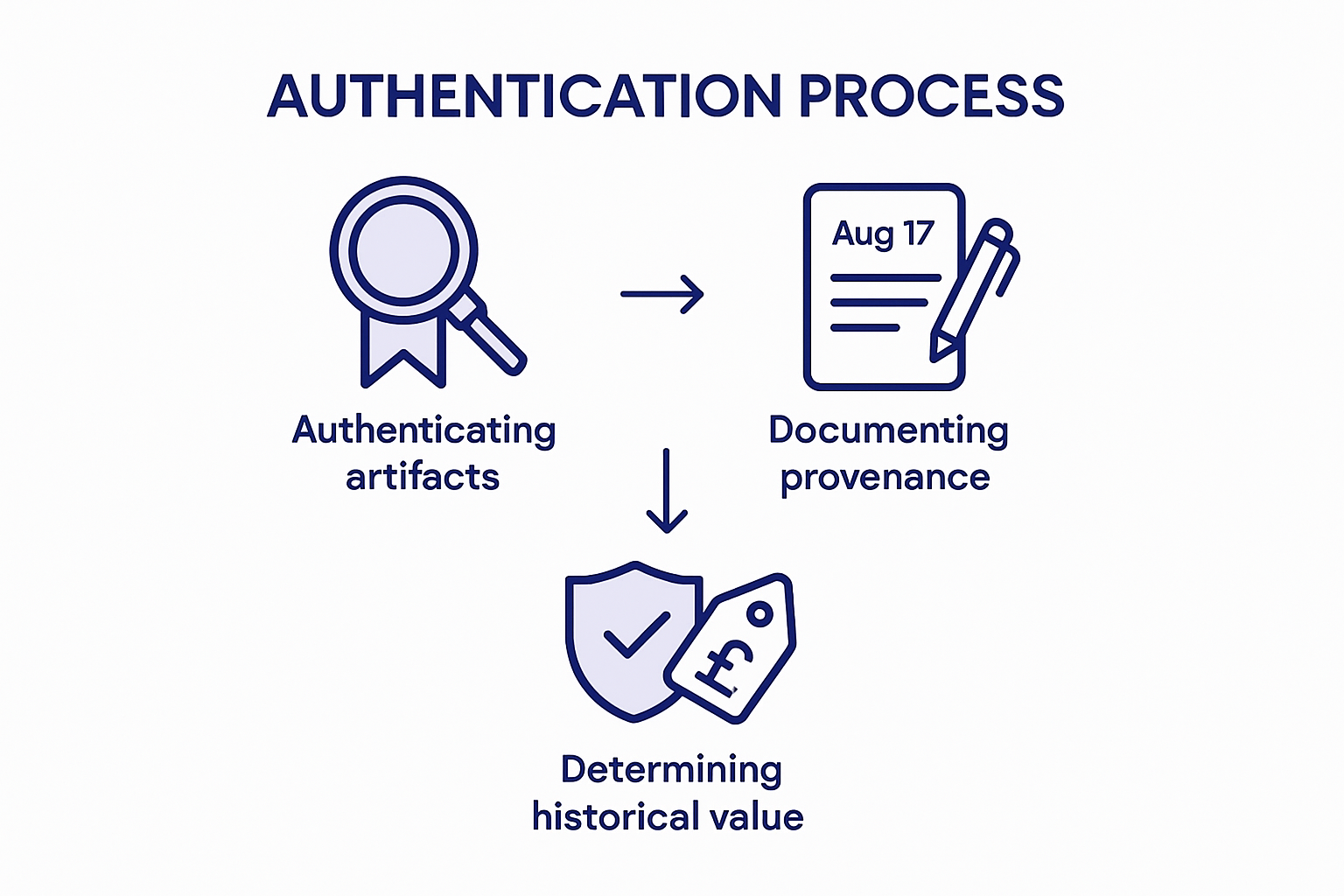
The complex process of authenticating military memorabilia requires patience, expertise, and a deep understanding of historical context. Genuine artefacts not only preserve personal stories but also contribute to our broader understanding of military history, serving as crucial educational resources that bridge generations and commemorate individual and collective experiences of service and sacrifice.
Legal And Ethical Responsibilities
Collecting military memorabilia is not merely a hobby, but a responsibility that requires careful navigation of complex legal and ethical boundaries. Legal protections for military heritage establish clear guidelines for handling and preserving historical military artefacts, ensuring respectful treatment of items that represent significant national and personal histories.
Ethical considerations in military memorabilia collecting encompass several critical dimensions:
- Authenticity: Verifying the genuine provenance of items
- Respect: Honouring the memory of service personnel
- Cultural Sensitivity: Understanding the historical context of each artefact
- Legal Compliance: Adhering to national and international regulations
Uniform and military artifact regulations play a crucial role in defining acceptable practices for collectors. These legal frameworks protect not just the physical items, but the dignity and memory of military service. Collectors must be acutely aware that some items may have specific restrictions, particularly those related to sensitive historical periods or involving personal military equipment.
Ultimately, responsible collecting is about preservation, education, and respect. It requires a deep understanding that these are not mere objects, but tangible connections to human experiences of courage, sacrifice, and historical significance. Ethical collectors approach their passion with reverence, recognising that each item tells a story far more important than its monetary value.
Preservation, Insurance And Display
Preserving military memorabilia requires meticulous attention to environmental conditions, handling techniques, and documentation. Each historical artefact demands specialised conservation strategies that protect its physical integrity and historical significance, preventing deterioration and maintaining its intrinsic value.
Key preservation considerations include:
- Environmental Control: Maintaining stable temperature and humidity levels
- Light Exposure: Minimising direct sunlight and UV radiation
- Handling Protocols: Using archival-quality gloves and careful manipulation
- Storage Solutions: Implementing acid-free archival materials
- Documentation: Maintaining comprehensive provenance records
Museum display techniques emphasise creating narratives that contextualise military memorabilia beyond mere visual presentation. Proper insurance becomes crucial, protecting these irreplaceable historical items against potential damage, theft, or loss. Collectors should seek specialist insurance policies that understand the unique value of military artefacts, recognising their historical and emotional significance.
Effective display goes beyond aesthetic considerations. It involves creating immersive experiences that communicate the profound stories behind each item, transforming personal collections into educational resources that honour military service and preserve historical memory. Thoughtful presentation allows these artefacts to transcend their physical form, becoming powerful storytellers of human courage and sacrifice.
Honour Heritage with Meaningful Military Collectibles
Preserving military memorabilia is an emotional commitment to remembering personal sacrifice and historic resilience. Whether you seek authentic presentation awards or heartfelt gifts that reflect pride in British military service, the challenge lies in finding items that truly represent individual stories and uphold historical integrity. At The Regimental Store Ltd, we offer a carefully curated range of Featured Gift Ideas and specialised products from branches such as the Royal Navy Shop for gifts and presentation Royal Marines & Submariners that honour service and heritage.
Act now to secure a piece of history that carries meaningful authenticity and respect. Explore genuine military gifts designed for veterans and serving personnel alike. Celebrate courage and preserve pride today by visiting https://regimentalstore.co.uk to find your perfect remembrance or presentation award.
Frequently Asked Questions
What is the significance of military memorabilia?
Military memorabilia represents a tangible connection to military heritage, preserving the experiences, sacrifices, and stories of service personnel across generations. These artefacts serve as powerful historical documents that communicate narratives of courage, sacrifice, and resilience.
What types of military memorabilia can be collected?
Military memorabilia includes a variety of items such as uniforms, medals, weapons, personal correspondence, and trench art. Each piece carries its own narrative, transforming ordinary objects into valuable historical testimonies.
How does authenticity affect the value of military memorabilia?
Authenticity is crucial in military memorabilia collecting, as it ensures that the item is a genuine representation of its historical context. The verification of provenance, documentary evidence, and expert authentication can significantly influence both the historical and monetary value of these artefacts.
What are the ethical responsibilities of collecting military memorabilia?
Ethical collecting involves respecting the memory of service personnel, ensuring authenticity, being culturally sensitive, and adhering to legal regulations regarding military artefacts. Collectors must understand that these items represent significant histories and should be treated with respect.
Recommended
- Complete Guide to Military Memorabilia in the UK – The Regimental Store Ltd
- Complete Guide to the Meaning of Veteran Memorabilia – The Regimental Store Ltd
- Complete Guide to Why Collect Military Souvenirs – The Regimental Store Ltd
- 7 Essential Steps for Your Army Memorabilia Checklist – The Regimental Store Ltd
- Keep the stub…and the story! – Smack Tags