
Royal Regiment of Scotland: Legacy and Modern Impact
Most Scottish regiments forming the Royal Regiment of Scotland trace their origins back nearly four centuries, a legacy few British military units can match. For military historians and collectors in Scotland, understanding these lineages goes far beyond dates and names. With every medal, badge, or commemorative gift, you honour a tradition defined by unity, resilience, and remarkable service. This article uncovers how the regiment’s amalgamation preserved historic identities while creating new opportunities to celebrate Scottish and British military heritage.
Table of Contents
- Origins And Amalgamation Of The Regiment
- Ancestral Regiments And Historic Legacy
- Structure, Roles, And Key Deployments
- Distinctive Traditions And Heroic Battle Honours
- The Regiment Today And Its Community Impact
Key Takeaways
| Point | Details |
|---|---|
| Formation of the Royal Regiment of Scotland | Emerging from the amalgamation of six historic regiments, the Royal Regiment of Scotland was established to maintain Scottish military heritage while enhancing operational effectiveness. |
| Rich Ancestral Heritage | Each constituent unit contributes over 400 years of military history, ensuring that traditions and battle honours are celebrated within the modern structure. |
| Versatile Operational Structure | The regiment’s current structure includes regular and reserve battalions, enabling it to undertake a range of missions from combat to peacekeeping. |
| Community Engagement | Beyond military service, the regiment actively connects with Scottish communities through outreach programs and support initiatives, reinforcing its commitment to social responsibility. |
Origins and Amalgamation of the Regiment
The Royal Regiment of Scotland emerged from a significant military restructuring that transformed the landscape of Scottish infantry units. In 2004, the British Army announced a strategic plan to consolidate its Scottish regiments, which would ultimately result in the formation of a unified regiment in 2006. This transformative process brought together six historic Scottish infantry units: The Royal Scots, the King’s Own Scottish Borderers, the Royal Highland Fusiliers, The Black Watch, The Highlanders, and the Argyll and Sutherland Highlanders.
The amalgamation was not merely an administrative reorganisation but a carefully planned strategy to maintain operational effectiveness while preserving the rich heritage of each constituent battalion. Each predecessor unit became a battalion within the new regiment, ensuring that individual honours, traditions, and unique identities were carefully maintained. The Royal Regiment of Scotland initially comprised seven battalions, representing a streamlined yet historically respectful approach to military organisation.
The restructuring reflected broader changes in military strategy and resource allocation. By consolidating these regiments, the British Army could create a more efficient and adaptable fighting force while simultaneously honouring the deep-rooted Scottish military traditions. The new regimental structure allowed for enhanced operational flexibility, shared resources, and a unified command structure that could respond more effectively to contemporary military challenges.
Pro Tip: When studying military history, always examine structural changes as strategic adaptations rather than simple administrative reshuffling, as each reorganisation reveals deeper insights into military thinking and operational needs.
Ancestral Regiments and Historic Legacy
The Royal Regiment of Scotland stands as a testament to Scottish military heritage, encompassing six historic infantry regiments with a combined service history spanning nearly four centuries. These ancestral regiments represent an extraordinary lineage of military service, with roots tracing back to the early 17th century, most notably the Royal Scots, which was raised in 1633 and holds the distinction of being one of the oldest infantry units in the British Army.
Each constituent regiment brought a distinctive martial tradition to the modern Royal Regiment of Scotland. The antecedent units - including the Royal Scots, King’s Own Scottish Borderers, Royal Highland Fusiliers, Black Watch, Highlanders, and Argyll and Sutherland Highlanders - collectively accumulated an impressive array of battle honours across numerous global conflicts. From the Thirty Years War through the Napoleonic campaigns to both World Wars, these regiments demonstrated extraordinary courage and strategic capability that became integral to British military reputation.
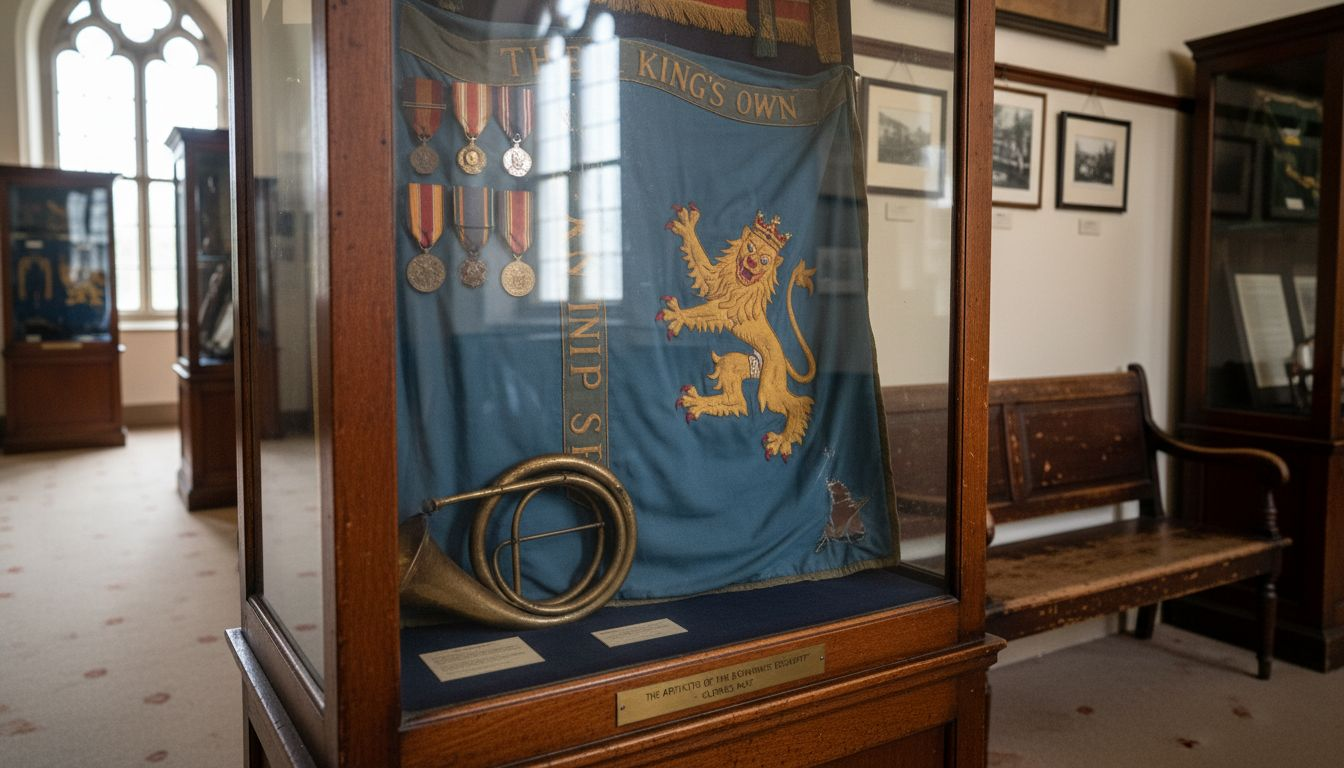
The preservation of regimental identities remains a crucial aspect of the modern regiment’s structure. By maintaining individual battalion traditions, ceremonial dress, and unique customs, the Royal Regiment of Scotland ensures that the profound historical narratives of its predecessor units are not merely preserved but actively celebrated. Regimental heritage continues to be a living, breathing component of the modern military organisation, connecting contemporary soldiers with their illustrious predecessors through shared traditions and collective memory.
Here’s a summary of the ancestral regiments and their founding years:
| Regiment Name | Year Founded | Distinctive Legacy |
|---|---|---|
| Royal Scots | 1633 | Oldest Scottish infantry unit |
| King’s Own Scottish Borderers | 1689 | Border defence traditions |
| Royal Highland Fusiliers | 1959 | Formed from older units |
| Black Watch | 1725 | Renowned for campaign service |
| Highlanders | 1994 | Merged from historic regiments |
| Argyll and Sutherland Highlanders | 1881 | Strong Highland heritage |
Pro Tip: When exploring military history, always examine regimental traditions as living archives that connect past heroism with present-day service, revealing the continuous thread of national defence and sacrifice.
Structure, Roles, and Key Deployments
The Royal Regiment of Scotland represents a sophisticated and adaptable military formation, structured with strategic versatility across multiple battalions. Comprising three regular battalions, two Army Reserve battalions, and a dedicated incremental company responsible for ceremonial duties, the regiment offers a comprehensive approach to military service. Each battalion specialises in distinct operational roles, ranging from light infantry to mechanised units, ensuring the regiment can respond effectively to diverse military challenges.
Operational deployment has been a defining characteristic of the Royal Regiment of Scotland since its formation. The regiment has distinguished itself through significant contributions in complex international theatres, including critical missions in Iraq, Afghanistan, Sierra Leone, and Cyprus. These deployments have encompassed a wide spectrum of military operations, from intense combat scenarios to crucial peacekeeping and training missions. The regimental structure allows for remarkable flexibility, enabling rapid adaptation to changing geopolitical requirements and demonstrating the Scottish soldiers’ exceptional professional capabilities.
The regiment’s battalions are strategically positioned to maximise operational effectiveness and international engagement. Some units maintain permanent overseas bases, providing continuous military presence and supporting international defence commitments. Regimental roles span peacekeeping, combat operations, and international training missions, reflecting the modern British Army’s complex and multifaceted responsibilities. This approach ensures that the Royal Regiment of Scotland remains a critical component of the United Kingdom’s defence infrastructure, capable of responding to emerging global challenges with precision and professionalism.
The table below highlights key operational roles and notable overseas deployments of the Royal Regiment of Scotland:
| Battalion Type | Primary Role | Notable Deployment |
|---|---|---|
| Regular Battalion | Mechanised/light infantry | Afghanistan, Iraq |
| Army Reserve Battalion | Support and reinforcement | Cyprus, Sierra Leone |
| Incremental Company | Ceremonial/public duties | United Kingdom |
Pro Tip: When studying military organisations, examine their structural adaptability as a key indicator of operational preparedness and strategic effectiveness.
Distinctive Traditions and Heroic Battle Honours
The Royal Regiment of Scotland embodies a profound military heritage, preserving unique Scottish military traditions that distinguish it from other military units. These traditions are symbolised through distinctive elements such as the iconic Blackcock feather hackle, a specially designed regimental tartan, and the beloved regimental mascot—a Shetland pony named Cruachan IV. Each of these elements represents more than mere decoration; they are living emblems of the regiment’s rich cultural and military history, connecting contemporary soldiers with their illustrious predecessors.
The regiment’s battle honours represent an extraordinary chronicle of martial achievement, spanning centuries of military engagement. From the War of the Spanish Succession through the Napoleonic campaigns, both World Wars, and recent conflicts in Iraq and Afghanistan, the Royal Regiment of Scotland has accumulated an impressive 43 battle honours displayed on its King’s Colour. These honours chronicle remarkable acts of battlefield gallantry that reflect not just military achievements, but the profound courage and sacrifice of Scottish soldiers throughout history. Each honour is a testament to the regiment’s unwavering commitment, strategic prowess, and exceptional bravery in the face of extraordinary challenges.
Beyond the formal battle honours, the regiment maintains a living tradition of military excellence through its ceremonial practices and regimental customs. The maintenance of specific dress codes, unique insignia, and time-honoured rituals ensures that the regiment’s historical narrative remains vibrant and relevant. These traditions serve as a powerful mechanism for preserving collective memory, inspiring current soldiers, and communicating the regiment’s deep-rooted values of courage, discipline, and service to future generations.
Pro Tip: When exploring military heritage, look beyond formal records to understand how traditions breathe life into institutional memory and soldier identity.
The Regiment Today and Its Community Impact
The Royal Regiment of Scotland has evolved into a dynamic and multifaceted military organisation, maintaining strong connections with Scottish communities far beyond its operational military roles. This modern infantry force actively engages with local populations through comprehensive outreach programs, educational initiatives, and civil support operations. The regiment serves as a critical bridge between military service and civilian life, demonstrating a commitment to social responsibility that extends well beyond traditional military boundaries.
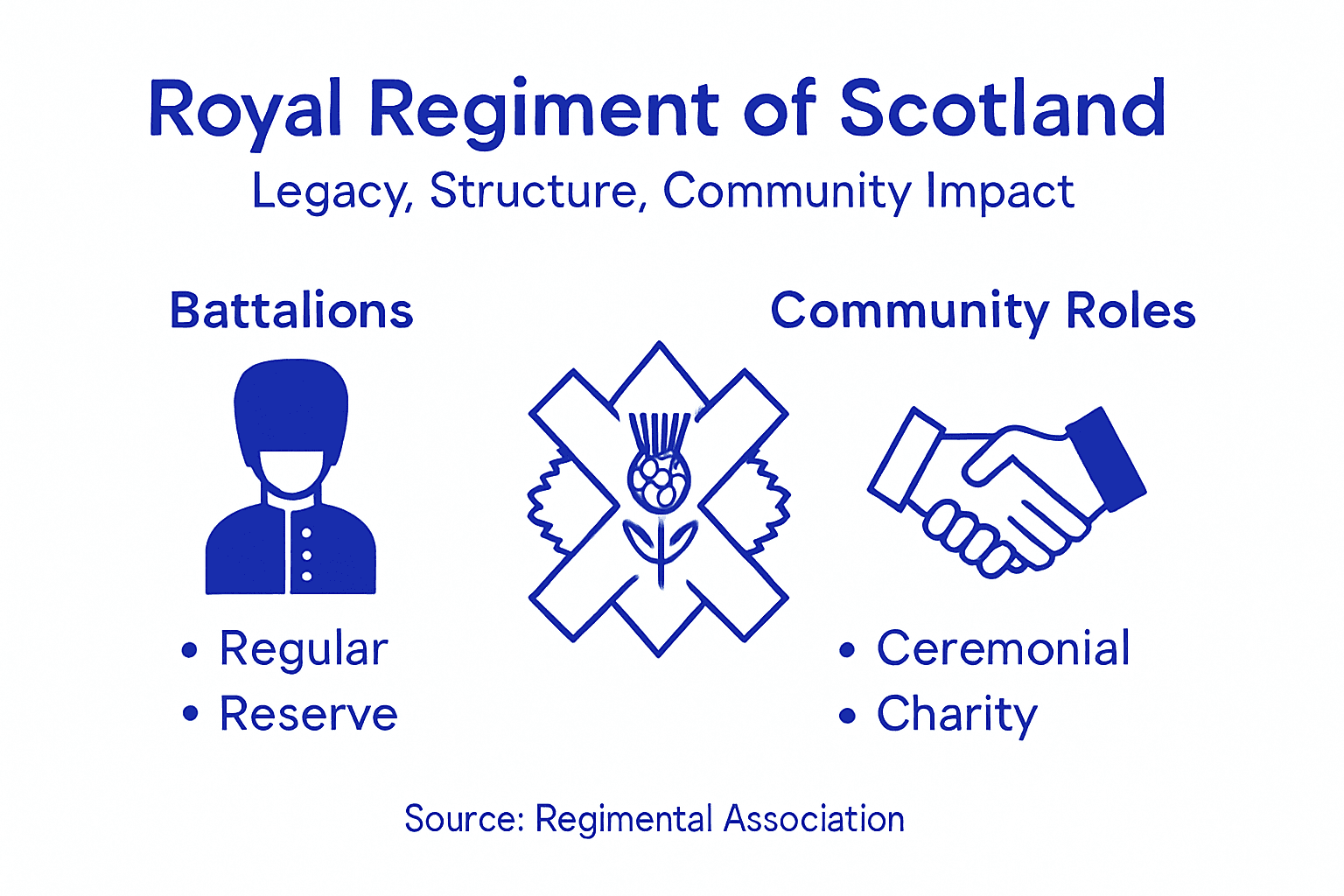
Today’s regiment plays a vital role in preserving Scotland’s martial heritage while simultaneously addressing contemporary societal needs. Through cadet programs, veteran support networks, and community engagement events, the regiment fosters a sense of belonging and continuity. These initiatives provide young people with opportunities for personal development, skill acquisition, and understanding of military service, while also supporting veterans and their families through comprehensive welfare and social support systems.
Regimental community impact encompasses a wide range of activities that contribute significantly to Scottish social fabric. From disaster relief operations to educational outreach, the regiment demonstrates its versatility and commitment to national service. By embracing diversity, promoting personal growth, and maintaining strong local connections, the Royal Regiment of Scotland continues to be a dynamic institution that represents not just military prowess, but a deep-rooted commitment to Scottish community welfare and national identity.
Pro Tip: When understanding military institutions, look beyond their operational roles to appreciate their broader social contributions and community engagement.
Honour the Legacy of the Royal Regiment of Scotland with Meaningful Gifts
The rich history and distinct traditions of the Royal Regiment of Scotland call for special recognition that reflects their enduring legacy and modern community impact. If you seek to celebrate the bravery, heritage and ongoing service of Scottish soldiers, the challenge lies in finding authentic gifts that truly connect with this proud lineage. Whether for veterans, serving soldiers or family members, meaningful memorabilia that honours regimental identity can deepen bonds and preserve these heroic narratives.
Explore our carefully curated collection of Gifts for all Veterans of the Scottish Division and Scottish Regiments to find timeless presents that embody the spirit of the regiment. These items are designed to resonate with those who value the unique traditions and brave history detailed in the Royal Regiment of Scotland. Act now to secure a treasured keepsake that honours courage and heritage. Start your journey through our full range of UK Military gifts and presentation products at The Regimental Store Ltd and discover even more distinctive items in the Royal Highland Fusiliers Museum Shop.
Frequently Asked Questions
What is the origin of the Royal Regiment of Scotland?
The Royal Regiment of Scotland was formed in 2006 as a result of the amalgamation of six historic Scottish infantry units, aiming to maintain operational effectiveness while preserving rich military traditions.
How does the Royal Regiment of Scotland maintain its heritage?
The regiment keeps its heritage alive by preserving the unique identities, traditions, and battle honours of its predecessor units, which are celebrated alongside the modern military organisation.
What operational roles does the Royal Regiment of Scotland fulfill?
The regiment includes three regular battalions and two Army Reserve battalions, specialising in roles such as mechanised and light infantry, peacekeeping, and international training missions.
How does the Royal Regiment of Scotland engage with local communities?
The regiment actively participates in outreach programs and educational initiatives, supporting young people and veterans, and contributing to community welfare beyond its military functions.
Recommended
- The Royal Highland Fusiliers: A Scottish Tradition T-shirt – The Regimental Store Ltd
- Regimental System Explained: Heritage and Daily Impact – The Regimental Store Ltd
- Parachute Regiment History: Britain’s Airborne Legacy – The Regimental Store Ltd
- Royal Signals: Heritage and Impact in the British Army – The Regimental Store Ltd